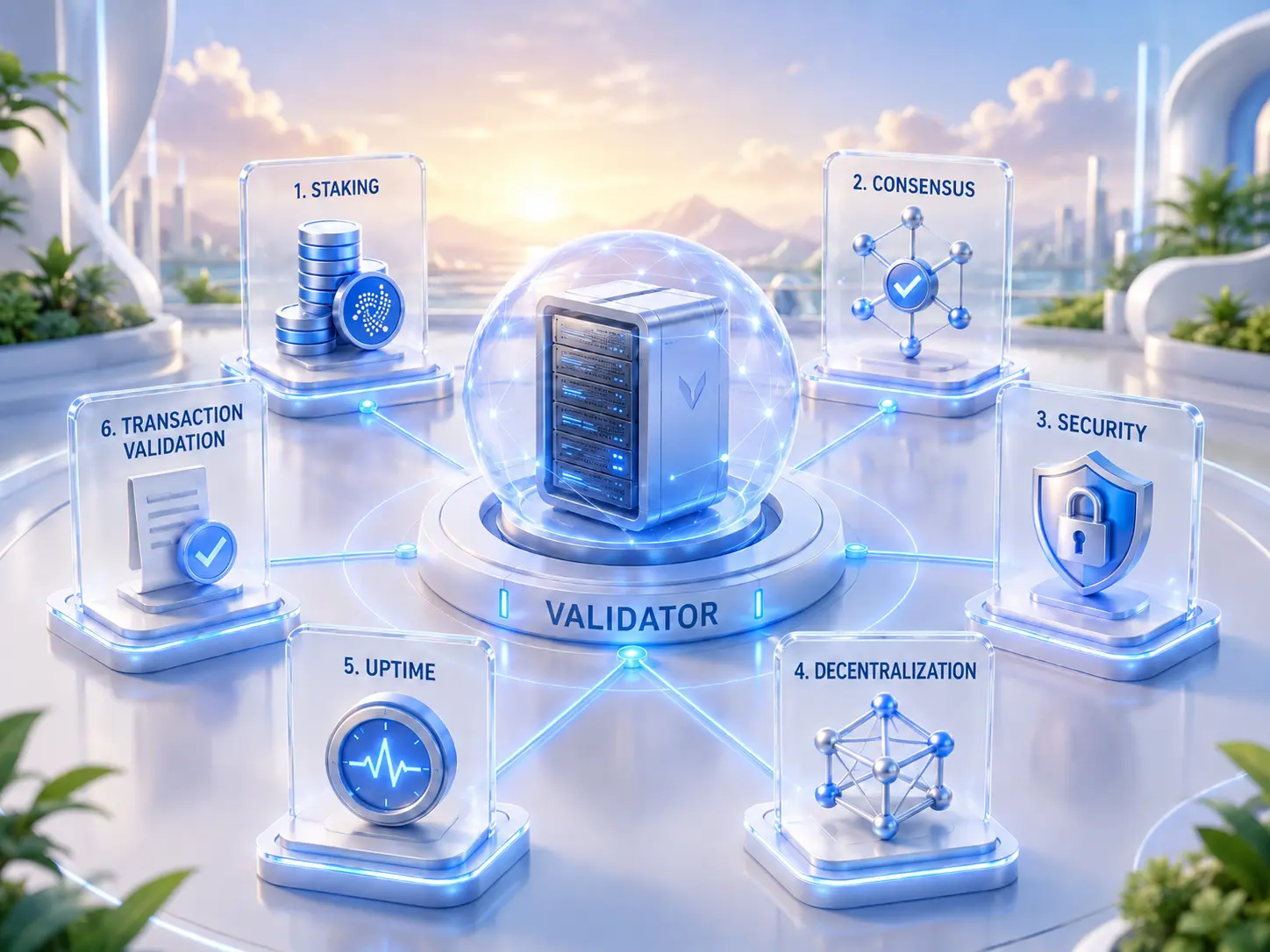
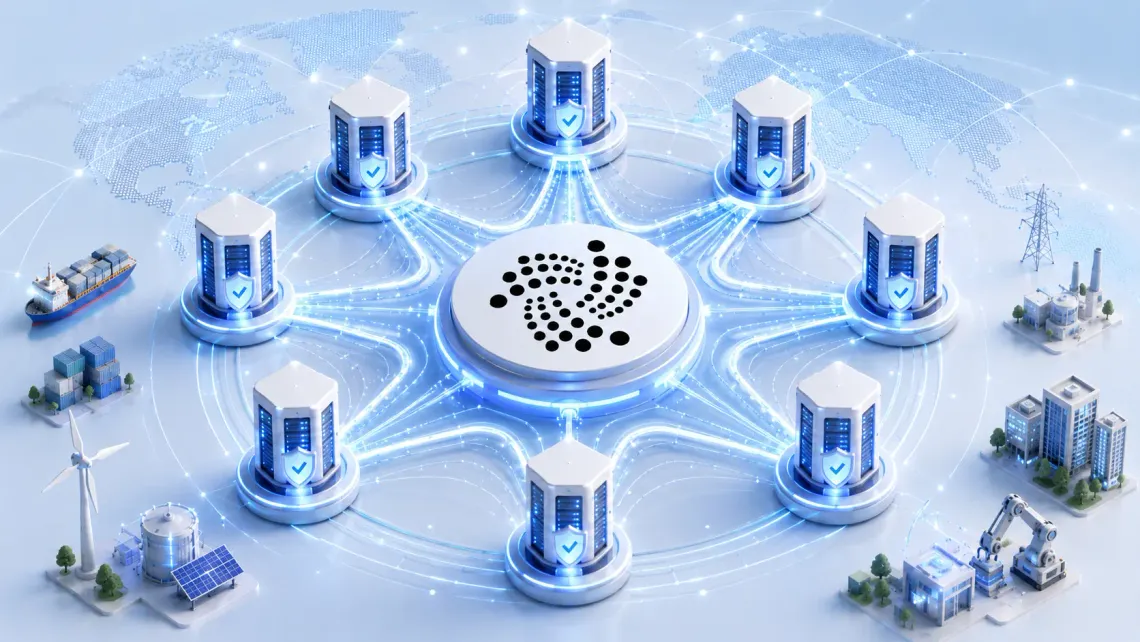
Validators are a core part of decentralized blockchain infrastructure. They help secure networks, validate transactions, participate in consensus, and keep digital systems reliable without depending on a single central authority. In proof-of-stake and delegated proof-of-stake networks, validators are responsible for maintaining trust, ordering transactions, and protecting the network from faulty or malicious behavior.
In the IOTA ecosystem, validators became especially important with IOTA Rebased, which moved the network toward a delegated Proof-of-Stake model. Token holders can delegate stake to validators, while validators participate in consensus and help secure the ledger. IOTA's staking page describes the process as selecting a validator through the IOTA Wallet and delegating IOTA to support the network.
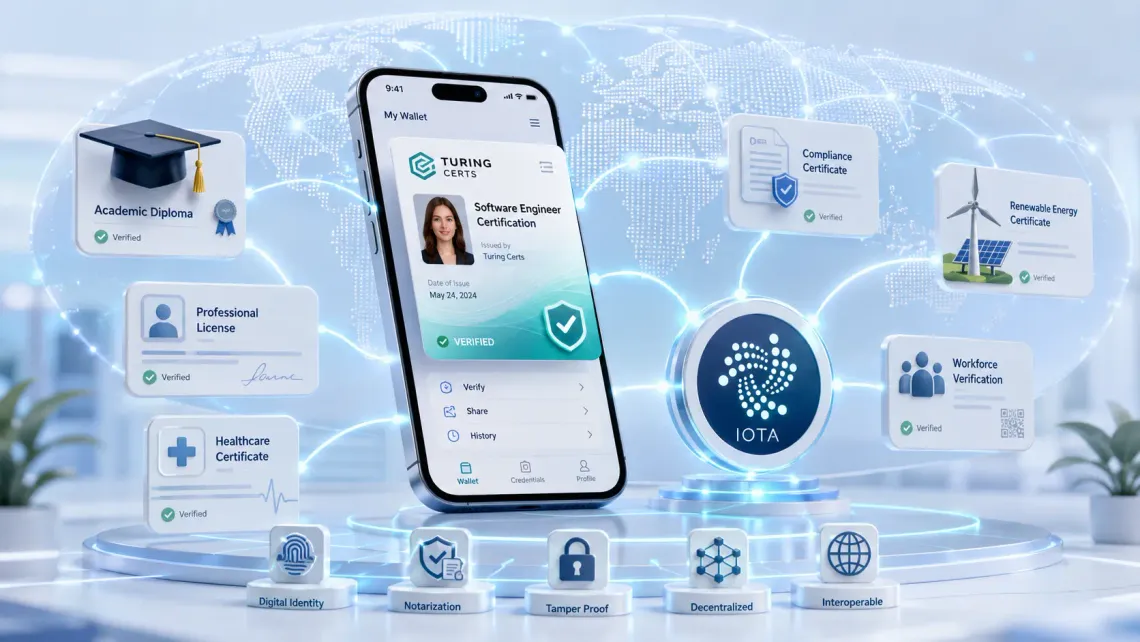
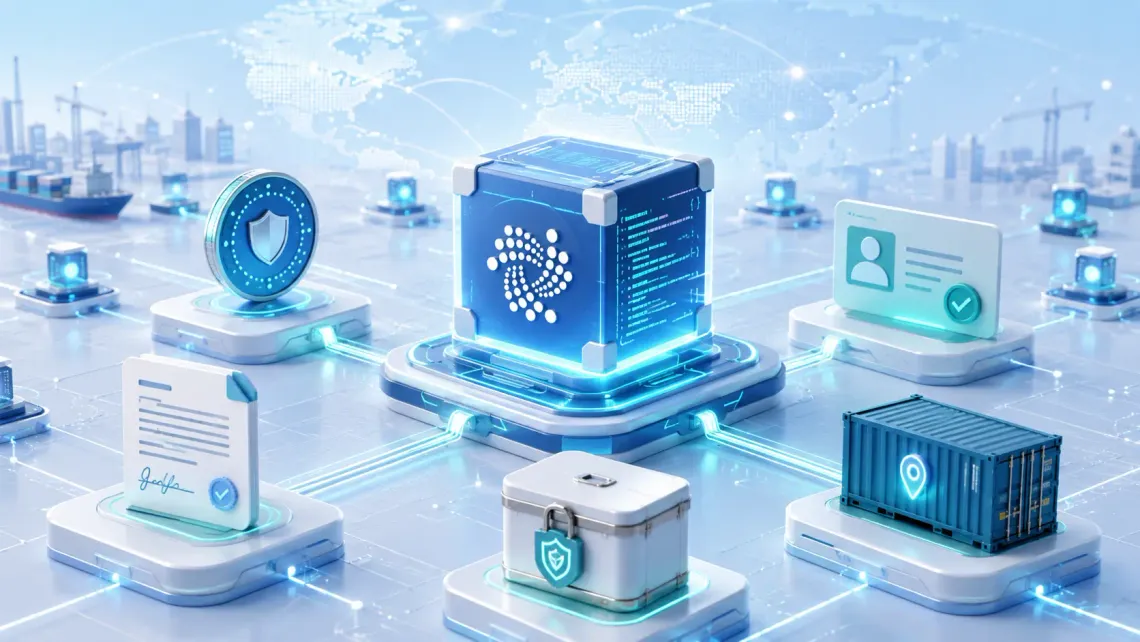
Validators are more than technical operators. They are infrastructure providers. A strong validator set improves decentralization, resilience, uptime, and confidence in the network. This is especially important for real-world use cases such as digital trade, supply chains, decentralized identity, tokenized assets, and regulated business applications. These systems need reliable infrastructure that can continue operating under real-world conditions.
The Starfish consensus upgrade makes validators even more relevant. IOTA's documentation describes Starfish as a Byzantine Fault Tolerant consensus protocol designed for low latency, high throughput, and robust operation under disrupted connections, uneven latency, and adversarial validator behavior.
In simple terms, validators help the network agree on what is valid, even when some participants are delayed, offline, or unreliable.
For users, validators are also connected to staking rewards. Instead of only holding tokens, users can delegate their IOTA to a validator and participate indirectly in network security. This creates a relationship between token holders, validators, and the health of the network. Choosing a validator can involve factors such as reliability, commission, performance, reputation, transparency, and long-term commitment to the ecosystem.
For businesses and institutions, validators represent the operational layer of decentralized infrastructure. Reliable validators help make blockchain networks suitable for serious use cases, including trade finance, digital identity, compliance, data verification, and asset tokenization. Without validators, decentralized networks cannot provide the security and consistency needed for large-scale adoption.
This tag covers validators, IOTA staking, delegated Proof-of-Stake, consensus, Starfish, validator nodes, network security, decentralization, transaction validation, staking rewards, and infrastructure for real-world Web3 applications.