How IOTA and AfCFTA Are Shaping the Future of Global Trade
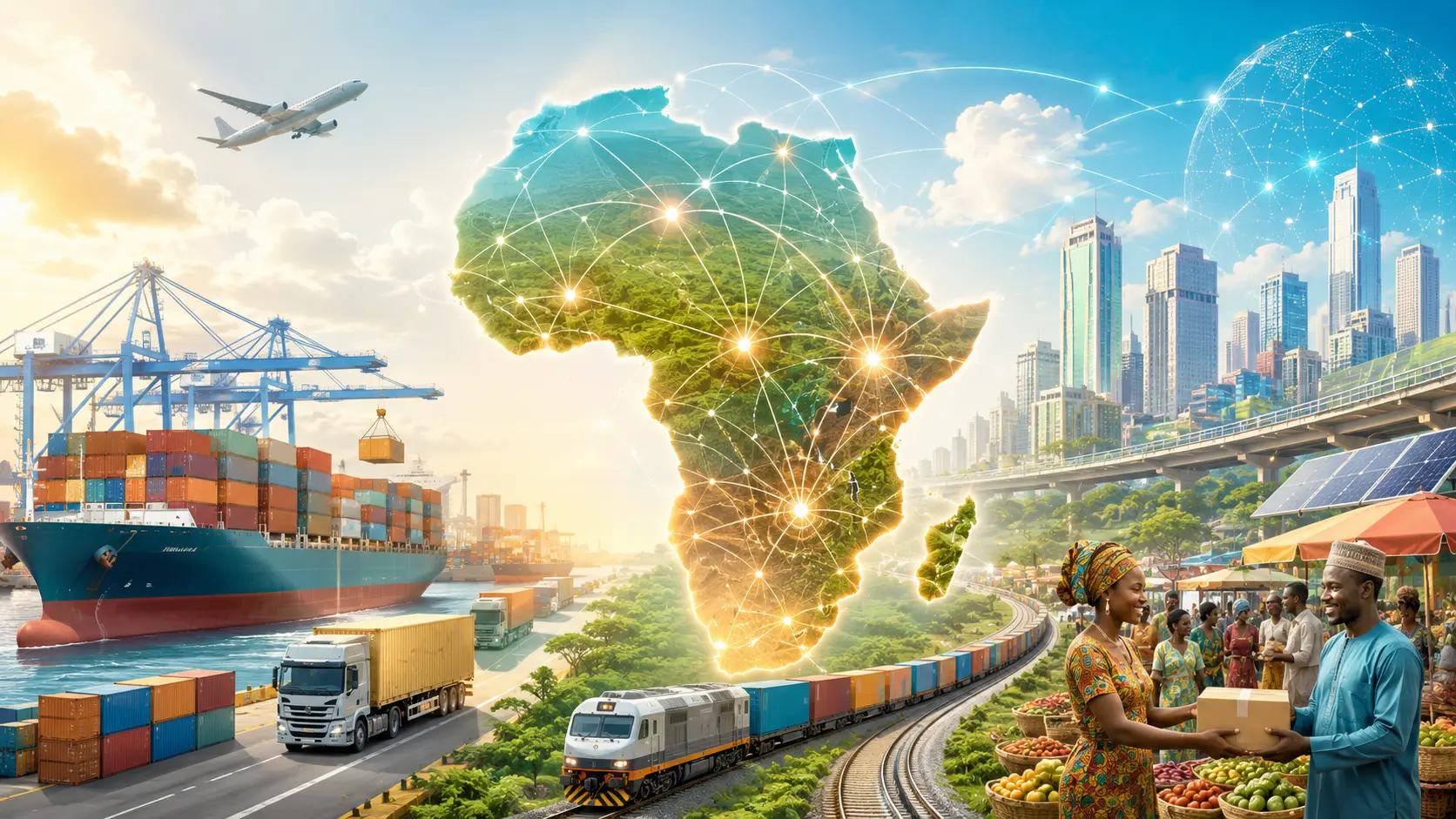
Global trade is undergoing a major transformation. At the center of this shift is Africa. With the operationalization of the African Continental Free Trade Area, known as AfCFTA, the continent is working to connect a market of around 1.4 billion people into one of the most important economic blocs in the world.
But integrating African markets is not only a political project. It also requires modern digital infrastructure. Moving goods across 54 countries means dealing with customs systems, logistics networks, trade finance, compliance documents, certificates, fragmented regulations, and cross-border data exchange.
This is where IOTA becomes highly relevant.
IOTA provides distributed ledger technology designed for real-world data, digital identity, tokenized assets, and secure information exchange. When combined with AfCFTA's ambition to modernize African trade, IOTA can become part of the digital foundation that helps reduce friction, increase transparency, and strengthen trust across regional and global supply chains.
The result is a new model for trade: one that moves beyond paper-based processes and traditional aid relationships toward high-tech, strategic economic partnerships between Africa and global partners such as South Korea.
What Is AfCFTA?
The African Continental Free Trade Area is the world's largest free trade area by number of participating countries. Its main goal is to increase intra-African trade by reducing tariffs, removing trade barriers, strengthening regional value chains, and supporting industrial growth across the continent.
AfCFTA is not only about selling more goods across borders. It is about building a stronger African economic system. By connecting markets, harmonizing rules, and improving trade cooperation, AfCFTA can help African businesses scale beyond national borders and compete more effectively in global markets.
Why AfCFTA Needs Digital Solutions
The potential of AfCFTA is enormous, but the challenges are equally significant. Many African trade corridors still face delays caused by manual customs processes, paper documents, fragmented supply chains, limited data transparency, and inefficient border procedures.
To unlock its full potential, AfCFTA needs digital infrastructure that can support secure, predictable, and transparent trade corridors. This includes digital trade protocols, interoperable systems, trusted data exchange, digital identity, and modern customs processes.
This is not simply about scanning paper documents and uploading them online. It is about creating reliable digital systems where trade data can be verified, documents can be trusted, and goods can move across borders with fewer delays.
Enter IOTA: A Digital Trust Layer for Global Supply Chains
IOTA is a distributed ledger technology ecosystem focused on secure data and value transfer for real-world applications. Unlike many traditional blockchain systems, IOTA was designed with scalability, data integrity, and machine-to-machine communication in mind.
For global trade, these characteristics are highly important. Supply chains depend on data. Every shipment carries information about origin, ownership, certification, compliance, logistics, customs status, and payment flows. If this data is incomplete, delayed, or unreliable, trade becomes slower and more expensive.
IOTA can help address this problem by providing infrastructure for trusted digital records. Product data, customs certificates, shipment updates, digital identities, and trade documents can be anchored, verified, and shared across different systems.
Why IOTA Fits the AfCFTA Vision
AfCFTA needs technology that can operate across many countries, many institutions, and many different trade environments. IOTA fits this vision because it focuses on real-world infrastructure rather than purely speculative digital assets.
Scalable Trade Data Exchange
A continental trade network must handle large volumes of data. Every border crossing, shipment, certificate, invoice, and compliance record can generate digital information. IOTA's architecture is designed to support scalable data exchange, making it suitable for large trade networks.
Strong Data Integrity
Trade depends on trust. Customs authorities, buyers, sellers, banks, logistics companies, and regulators must all be able to rely on accurate information. IOTA can help create tamper-resistant records for documents, product data, and supply chain events.
Support for Digital Identity
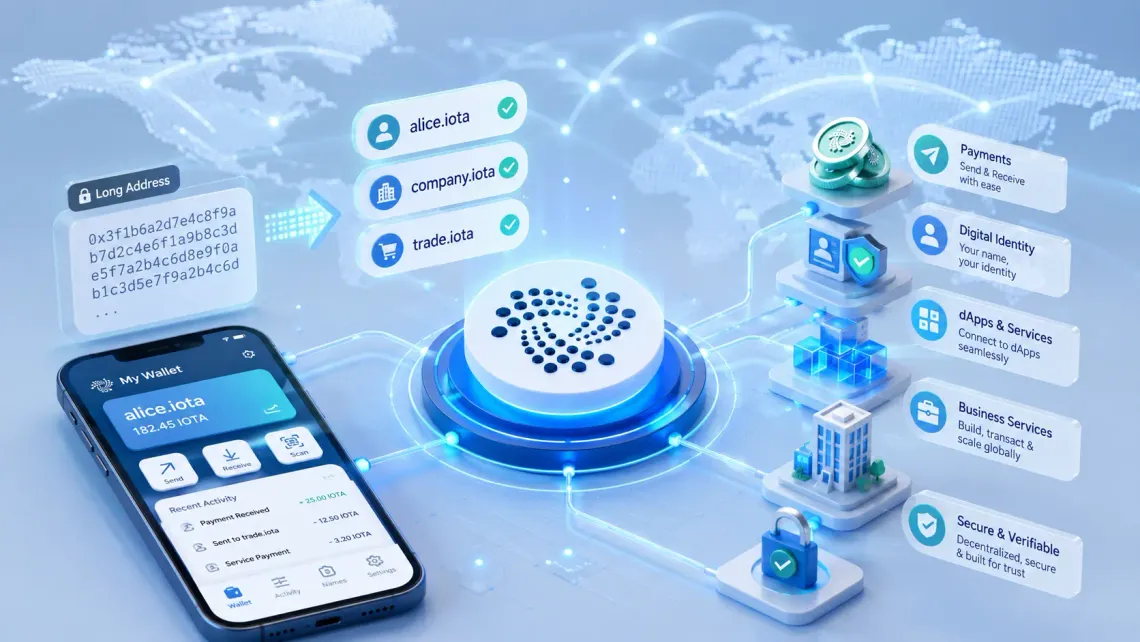
Digital identity is essential for trusted trade. Businesses, government agencies, logistics providers, products, documents, and even machines need verifiable identities. IOTA can support decentralized identity systems that help verify participants without relying on one central authority.
Real-World Asset and Document Verification
Trade documents such as certificates of origin, invoices, customs declarations, bills of lading, and warehouse receipts can become digitally verifiable assets. This can support paperless trade, improve transparency, and create new opportunities for trade finance.
The combination of AfCFTA's market size and IOTA's secure digital infrastructure could have a major impact across several strategic sectors. Three areas are especially important: automotive supply chains, pharmaceuticals, and critical minerals.
Automotive Industry and Regional Supply Chains
Africa's automotive sector has strong growth potential. However, building regional automotive value chains requires the movement of thousands of parts across multiple borders. Manufacturers need to track components, verify suppliers, manage customs documentation, and coordinate logistics efficiently.
IOTA can support this by enabling digital twins for vehicles, parts, and supply chain assets. Each component can be connected to verified data about origin, quality, ownership, and movement.
How IOTA Can Support Automotive Trade
With IOTA-based infrastructure, automotive companies could create more transparent and efficient supply chains. Parts could be tracked from supplier to assembly plant. Customs authorities could verify documents faster. Manufacturers could reduce fraud, improve compliance, and strengthen regional production networks.
This would support AfCFTA's goal of building stronger African value chains instead of relying only on fragmented import models.
Pharmaceutical Security and Product Authenticity
Fake and low-quality medication remains a serious issue in many healthcare systems. Pharmaceutical supply chains require strict control over origin, storage conditions, transport routes, and regulatory compliance.
IOTA can help improve pharmaceutical security by creating verifiable records for medicine, vaccines, and medical supplies. Each product can be tracked from production to distribution, with data points such as temperature control, batch information, certification, and delivery status.
Building Trust in Healthcare Supply Chains
For AfCFTA, trusted pharmaceutical supply chains are essential. Regional trade in medicine can improve access, reduce costs, and support local production. But this only works if patients, regulators, hospitals, and distributors can trust the products moving across borders.
By using IOTA for data integrity and traceability, pharmaceutical trade can become safer, more transparent, and more resilient.
Critical Minerals and Ethical Supply Chains
Africa holds a large share of the world's strategic minerals. These resources are vital for electric vehicles, renewable energy systems, batteries, semiconductors, and advanced manufacturing. As the global green energy transition accelerates, demand for critical minerals continues to rise.
However, international buyers increasingly demand proof of ethical sourcing, environmental compliance, and supply chain transparency. This creates a major opportunity for African producers that can provide reliable, verifiable data.
IOTA and Mineral Traceability
IOTA can provide an immutable audit trail for critical minerals. Data about extraction, processing, transport, certification, and export can be recorded and verified. This helps prove origin, reduce fraud, and improve trust between African suppliers and global buyers.
For investors and industrial partners, this creates stronger confidence. For African exporters, it can increase competitiveness in global markets.
From Aid to Strategic Tech Partnerships
Africa's relationship with global partners is changing. The old model of development aid is increasingly being replaced by strategic economic cooperation, technology partnerships, infrastructure investment, and industrial collaboration.
This shift is especially visible in the relationship between Africa and Asian economies such as South Korea. South Korea has strong capabilities in manufacturing, automotive technology, electronics, digital infrastructure, logistics, and industrial development. African countries, meanwhile, are building larger integrated markets through AfCFTA and seeking partners for industrialization.
The Korea-Africa Connection
The Korea-Africa Business Forum 2026 reflects this broader shift from aid toward high-tech cooperation. Asian economies are looking for secure, growing markets and reliable supply chains. African countries are seeking investment, technology transfer, digital infrastructure, and industrial growth.
Digital trade infrastructure can support this relationship. If trade routes between Africa and partners such as South Korea are supported by trusted digital documents, transparent supply chains, and verifiable compliance data, both sides benefit.
Why Digital Trust Matters for Investors
International investors need predictability. They want to know that goods are authentic, documents are valid, suppliers are verified, and trade processes are reliable. Systems based on IOTA and other digital infrastructure can provide stronger trust and reduce uncertainty.
This can make African markets more attractive for long-term investment, not only as consumer markets but as production hubs, resource partners, and technology-enabled trade corridors.
AfCFTA, IOTA, and the Future of Digital Trade
The future of African trade will not be built only on roads, ports, railways, and warehouses. Physical infrastructure remains essential, but digital infrastructure is becoming equally important.
AfCFTA provides the economic and regulatory framework. IOTA can provide part of the digital trust layer. Together, they point toward a more connected trade system where documents are verifiable, supply chains are transparent, and businesses can operate across borders with fewer barriers.
From Paper-Based Trade to Digital Trade Corridors
Digital trade corridors can reduce delays, lower costs, and improve trust between countries. Instead of relying on paper documents that must be manually checked, trade participants can use verifiable digital records.
This can support customs modernization, digital payments, trade finance, insurance, product traceability, and regulatory compliance.
Supporting SMEs and Local Producers
Small and medium-sized enterprises are central to Africa's economic future. However, SMEs often face high trade barriers because they lack access to finance, compliance tools, logistics networks, and trusted documentation systems.
Digital infrastructure can help level the playing field. If SMEs can prove their identity, verify their products, and provide trusted trade documents, they can gain better access to regional and international markets.
This is one of the most important promises of combining AfCFTA with technologies like IOTA: making digital trade more inclusive.
The Road Ahead: A Connected and Self-Sustaining Africa
The long-term goal of AfCFTA is shared prosperity, industrialization, job creation, and stronger economic independence. To reach that goal, Africa needs more than open borders. It needs trusted systems that connect markets, institutions, businesses, and global partners.
IOTA can act as part of the digital connective tissue for this transformation. By supporting data integrity, digital identity, supply chain transparency, and verifiable trade documents, IOTA can help create a more efficient and trusted trade environment.
As digital trade protocols become more important across the continent, the fusion of open markets and open-source decentralized technology may redefine how the world does business with Africa.
Conclusion
AfCFTA is one of the most important trade initiatives of our time. It has the potential to reshape Africa’s role in the global economy by connecting markets, strengthening supply chains, and accelerating industrial growth.
But this transformation requires digital infrastructure. IOTA offers tools that can support trusted data exchange, product traceability, decentralized identity, and secure trade documentation.
Together, AfCFTA and IOTA represent a powerful vision for the future of global trade. Africa is not only opening its markets. It is building the foundation for a digitized, transparent, and self-sustaining trade ecosystem.
The message is clear: Africa is open for business, ready for digital transformation, and positioned to become one of the most important centers of future global trade.