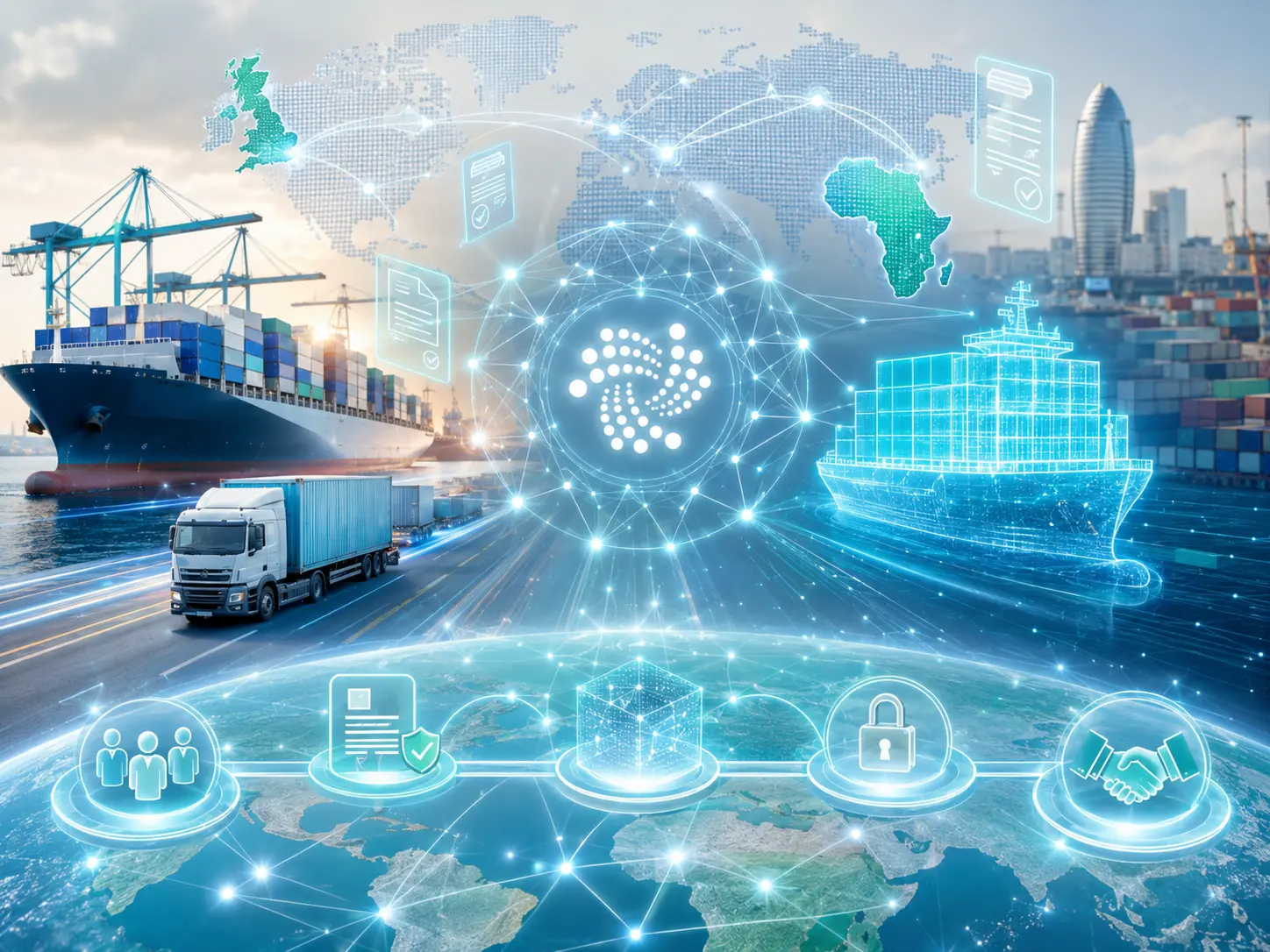
International trade still depends heavily on fragmented databases, manual verification and paper documents. Bills of lading, certificates of origin, customs declarations and inspection records often pass through numerous organizations before goods reach their destination.
Every additional handover creates delays, administrative costs and opportunities for documents to be lost, duplicated or manipulated.
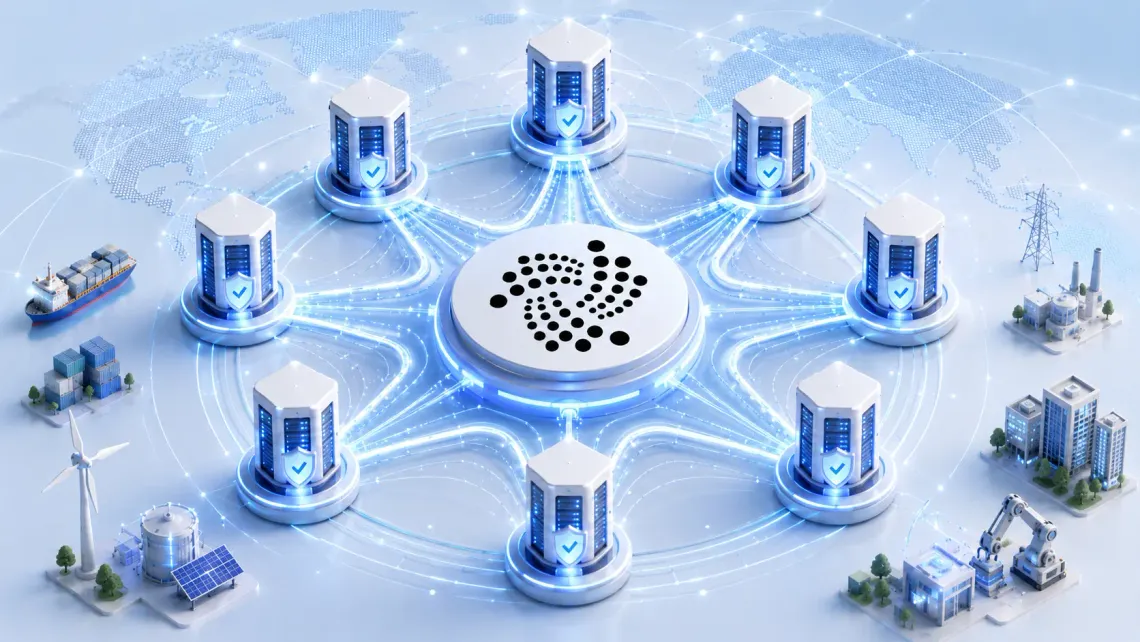
The Trade Logistics Information Pipeline, commonly known as TLIP, was developed to address this problem. Built through collaboration between TradeMark Africa and the IOTA Foundation, TLIP provides digital infrastructure through which trusted trade information can be securely shared across borders.
At the center of the TLIP model is the connection between a physical shipment and its digital records.
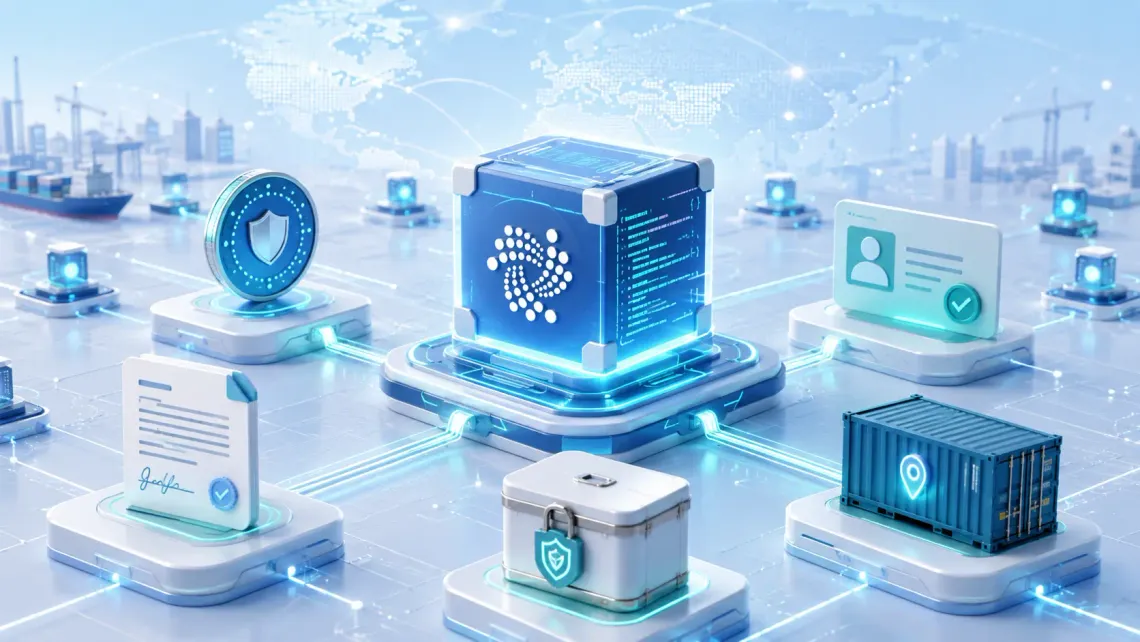
Documents such as commercial invoices, packing lists, certificates of origin and phytosanitary certificates can be uploaded and shared electronically with authorized participants. Instead of every customs authority, exporter, logistics provider or importer maintaining a separate version of the information, the relevant parties can verify the same trusted records.
IOTA's distributed ledger technology helps establish when a record was created and whether it has subsequently been changed. The ledger does not need to expose commercially sensitive documents publicly. Instead, it can provide cryptographic evidence that the document presented today corresponds to the document that was originally registered.
This creates a digital chain of trust around the shipment.
From Manual Verification to Verifiable Data
Traditional trade documentation frequently requires stamps, signatures, emails and manual comparisons between different systems. These processes are not only slow but also vulnerable to human error and document fraud.
TLIP is designed to automate parts of this information exchange. Border agencies and trading partners can connect their existing systems to the infrastructure rather than replacing every database with one central platform.
Once a document has been registered, authorized participants can verify its authenticity digitally. Retrospective manipulation becomes detectable, while the history and origin of the information become easier to trace. This does not make every form of trade fraud impossible, but it can significantly reduce opportunities to use altered or counterfeit documentation.
A Shared Infrastructure Without Central Data Control
One of the most important aspects of this model is that trusted information exchange does not require a single company to own the entire global trade database.
Trade participants retain control over their information and determine who is permitted to access it. Open interfaces and international standards can allow different customs systems, logistics platforms and government databases to interact without all participants using identical software.
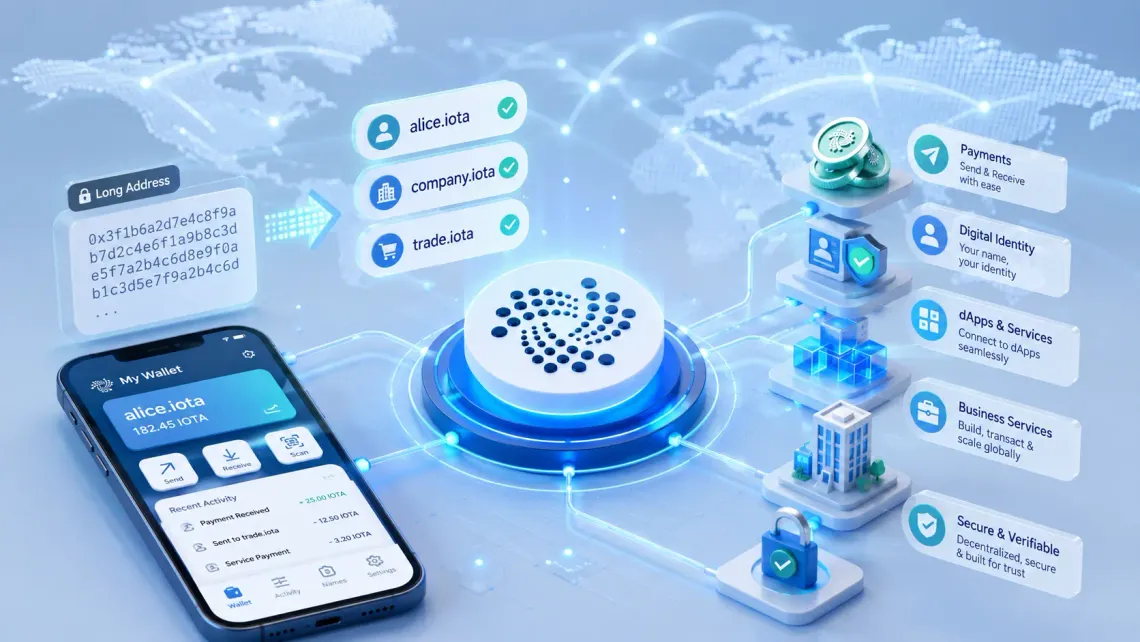
IOTA therefore acts as part of the underlying trust infrastructure. Its role is not to transport containers or approve customs declarations, but to help verify identities, transactions and digital trade records.
From TLIP to the TWIN Ecosystem
The experience gained through TLIP has contributed to a broader initiative called the Trade Worldwide Information Network, or TWIN.
TWIN is intended to provide open-source infrastructure for interoperable digital trade ecosystems. While TLIP remains focused particularly on trade processes involving East Africa, TWIN expands the underlying approach toward additional regions, industries and applications.
The TWIN Foundation was officially launched in May 2025 by TradeMark Africa, the IOTA Foundation, the World Economic Forum, the Tony Blair Institute for Global Change, the Global Alliance for Trade Facilitation and the Chartered Institute of Export & International Trade.
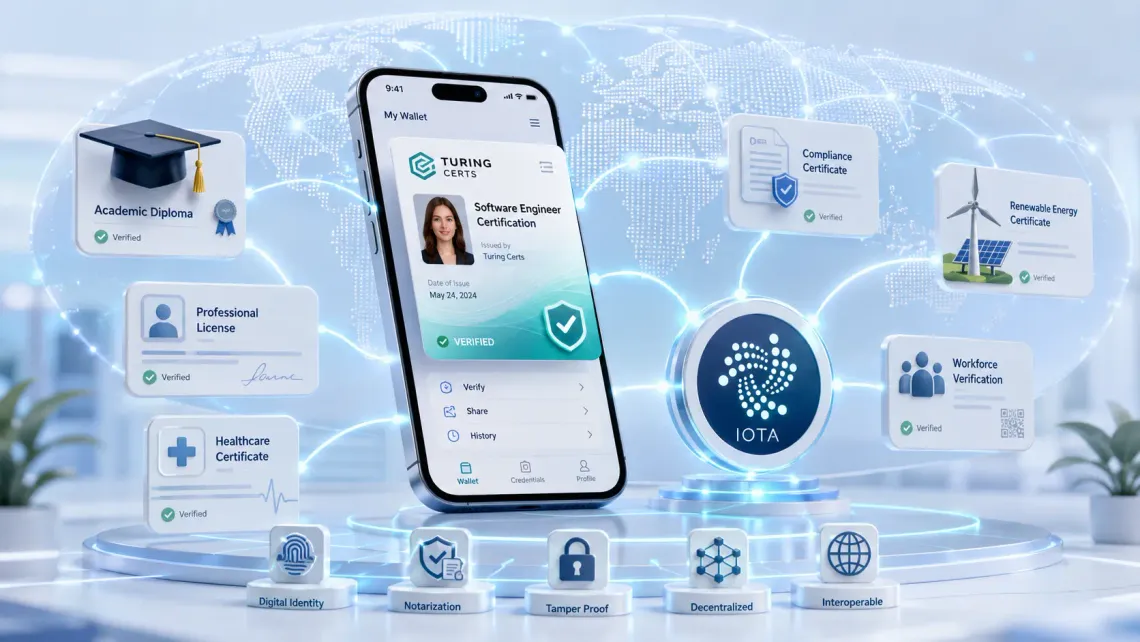
Potential applications extend beyond customs documents. The infrastructure can support digital identities, product passports, supply-chain traceability and controlled data spaces in which companies exchange verified information without surrendering ownership of their data.
A New Trust Layer for World Trade
The real value of TLIP is not simply the replacement of paper with PDF files. Digitization alone does not guarantee that information is authentic.
TLIP combines digital documents with verifiable identities, access controls and tamper-evident records. This can reduce repetitive checks, shorten border-processing times and improve transparency between organizations that may not fully trust one another.
Global trade will not become completely automated overnight. Governments, customs agencies and businesses must still agree on standards, legal recognition and governance.
Nevertheless, TLIP and TWIN demonstrate how IOTA can move beyond conventional cryptocurrency use cases. By connecting physical goods with trusted digital information, the technology could become part of a shared infrastructure for faster, safer and more transparent international trade.