RWA stands for Real-World Assets. It refers to physical or traditional financial assets that are represented on-chain through tokenization. These assets can include real estate, commodities, trade invoices, bonds, private credit, supply chain assets, carbon credits, infrastructure assets, and other forms of value that exist outside the blockchain world.
The basic idea behind RWA tokenization is simple: real assets can become easier to transfer, verify, divide, finance, or manage when they are represented digitally. A building, shipment, invoice, commodity batch, or bond can be linked to a digital token or on-chain record. This does not magically remove legal complexity, but it can improve transparency, efficiency, and liquidity when implemented correctly.
RWA is one of the most important trends in Web3 because it connects blockchain infrastructure to the real economy. Many early crypto use cases were purely digital. RWA expands the focus toward assets that already exist in traditional markets. This includes markets worth trillions of dollars, such as real estate, government bonds, private credit, commodities, and trade finance.
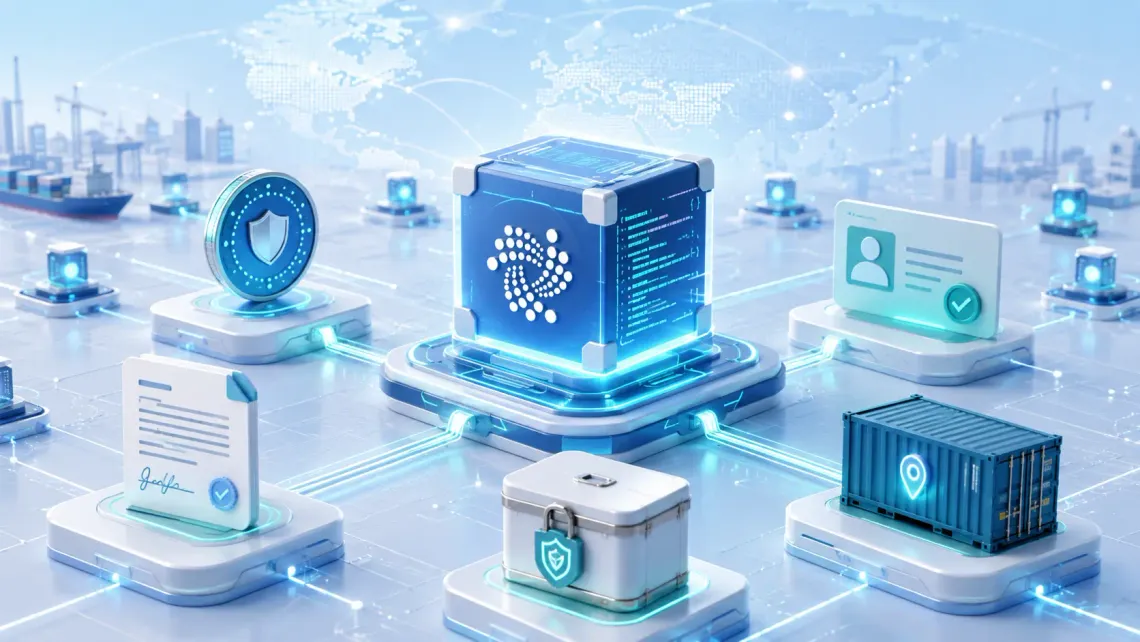
For global trade, RWA tokenization is especially relevant. Trade invoices, warehouse receipts, shipping documents, customs records, and certificates can all be connected to tokenized assets or verifiable data. This can improve trade finance, reduce fraud, and make supply chains more transparent. If a lender can verify that an invoice, shipment, or commodity exists and is properly documented, financing becomes easier and more efficient.
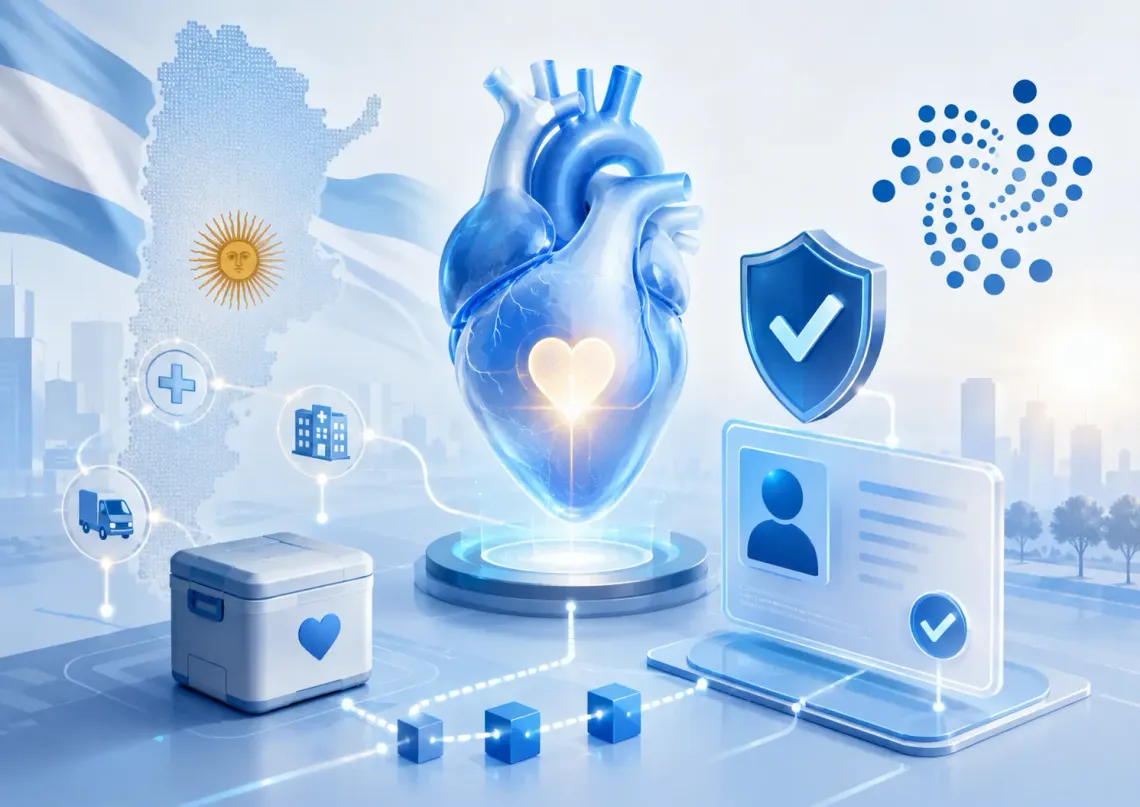
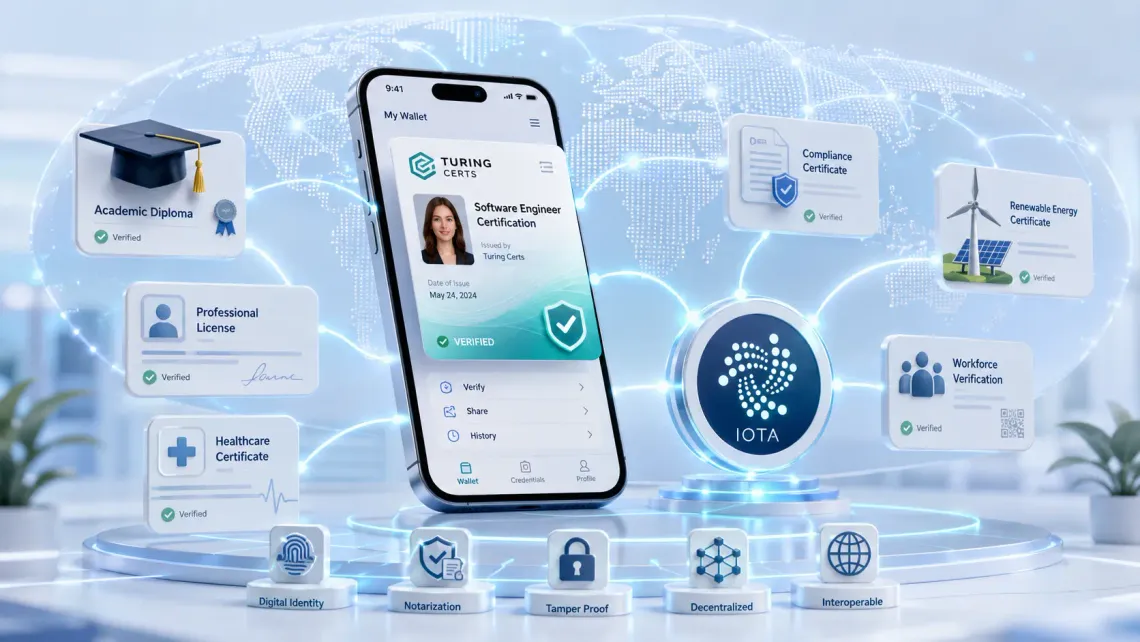
RWA is also closely connected to digital identity. A tokenized asset is only useful if market participants can trust the issuer, ownership rights, legal structure, and underlying asset data. This is where DIDs, verifiable credentials, and trusted data infrastructure become essential. Without identity and verification, tokenization can become just another layer of speculation.
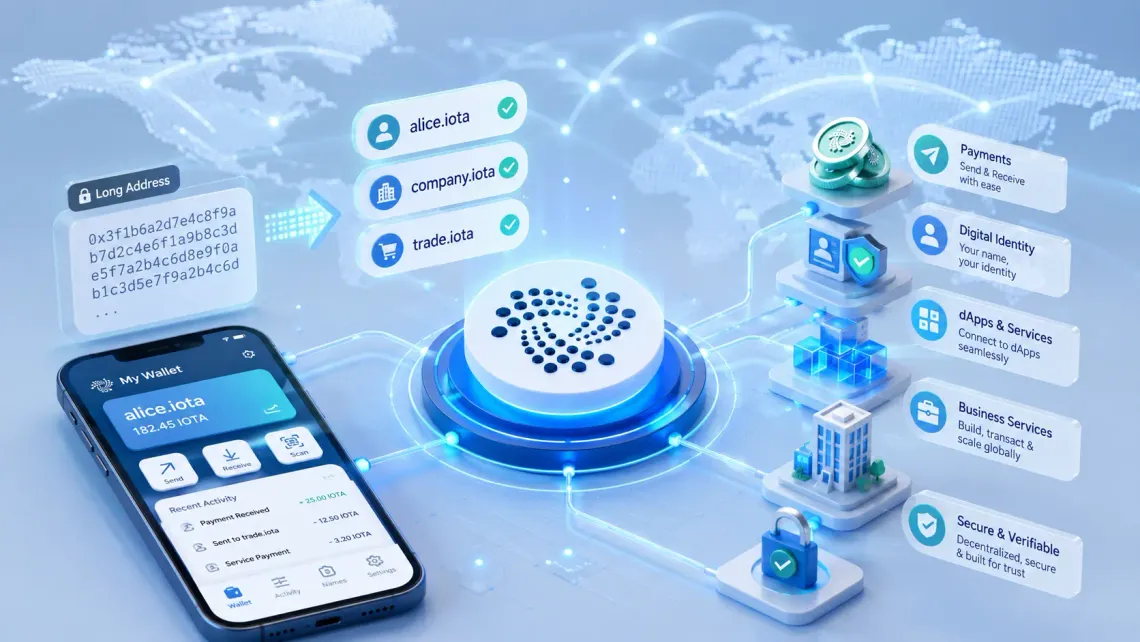
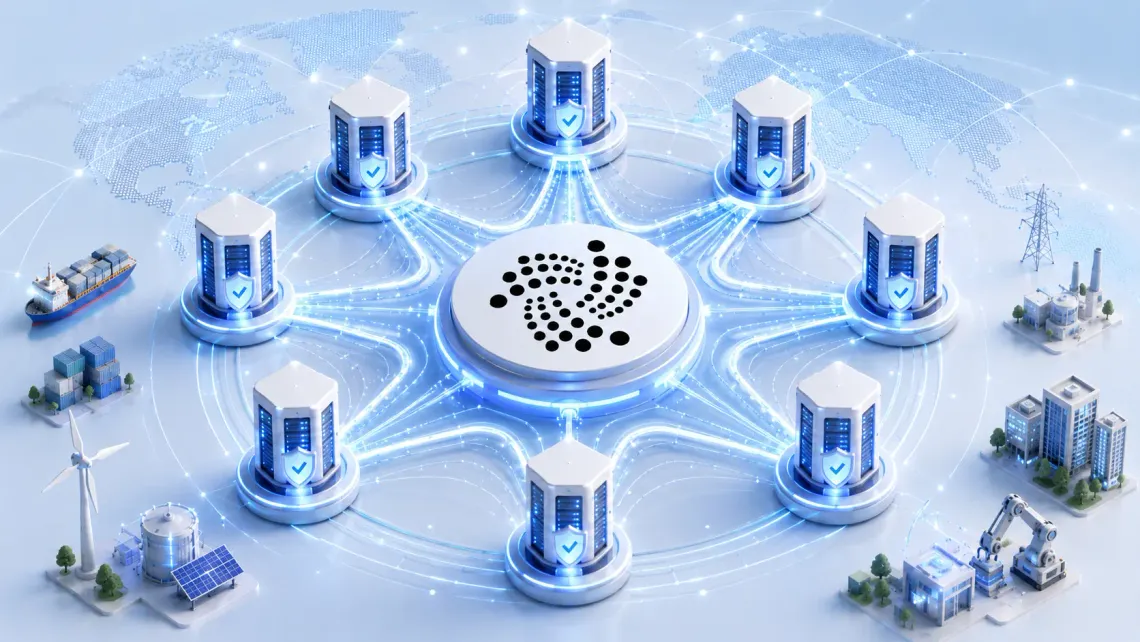
For the IOTA ecosystem, RWA is a natural fit because IOTA focuses on real-world data, identity, trade, and digital infrastructure. If IOTA-based systems can verify supply chain data, trade documents, product origin, or asset information, they can support more credible RWA applications. This is especially relevant for trade finance, commodities, logistics, and public infrastructure.
RWA also connects to DeFi. Once real-world assets are tokenized and properly verified, they can potentially interact with decentralized financial protocols. This may unlock new liquidity, fractional ownership, automated settlement, and more efficient asset management.
This tag covers Real-World Assets, RWA tokenization, on-chain assets, trade finance, commodities, real estate, bonds, supply chain assets, IOTA infrastructure, digital identity, and DeFi integration. RWA is one of the clearest examples of how blockchain technology can move from digital speculation toward real economic utility.ł