Introduction
The Move programming language became a central part of IOTA with the launch of IOTA Rebased. It gives developers a specialized language for building smart contracts, decentralized applications, and programmable digital assets directly on the IOTA Mainnet.
Move does not operate the validator network or control consensus. Its role is at the application layer. It defines how digital objects are created, owned, transferred, updated, and protected.
This makes Move particularly relevant for applications involving tokens, identities, certificates, trade documents, digital product passports, and regulated assets.
What Is the Move Programming Language?
Move is a smart contract language designed specifically for blockchain environments. Unlike traditional programming languages, it treats digital assets as resources.
A resource cannot simply be copied or accidentally duplicated. It must follow clearly defined rules when it is created, transferred, changed, stored, or destroyed.
This approach is important because blockchain assets often represent something valuable or unique. A token, certificate of origin, digital identity, or ownership record should not be duplicated like an ordinary file.
Move helps developers enforce these rules directly within the smart contract.
The Object-Based Model on IOTA
Digital Assets as Individual Objects
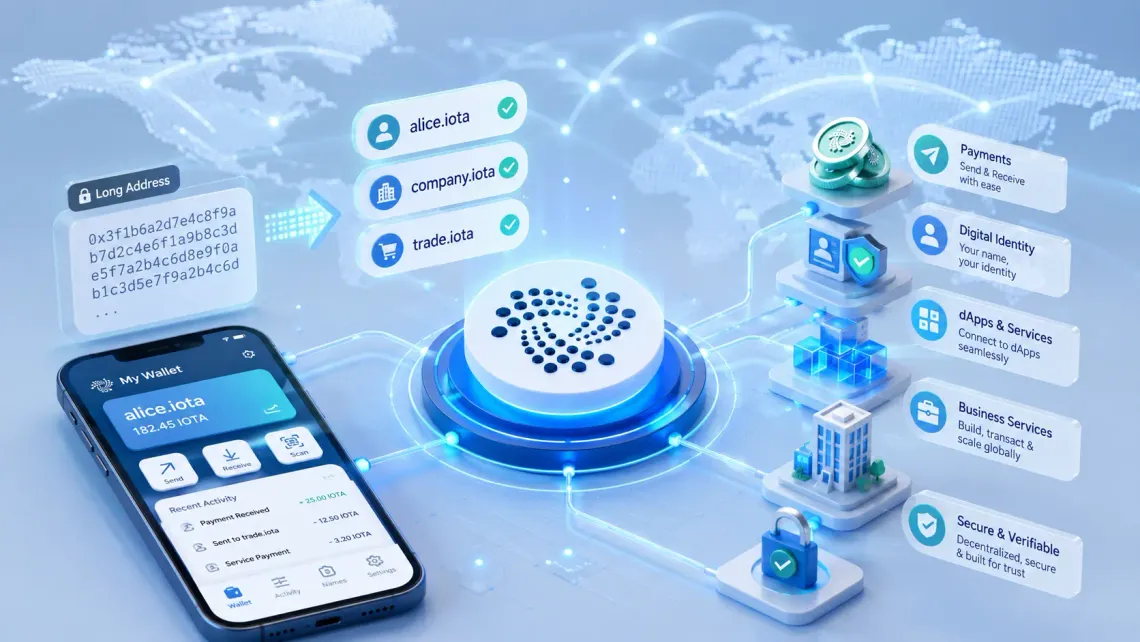
IOTA uses an object-based programming model. Instead of representing everything only as balances connected to wallet addresses, applications can create separate onchain objects.
Each object can have its own:
- Unique identity
- Owner
- Metadata
- Permissions
- Transaction history
- Lifecycle rules
A shipment record, for example, could exist as an individual object. It could contain information about the exporter, origin, destination, certifications, and current status.
The smart contract determines who is allowed to update that information and under which conditions.
Clear Ownership and Permissions
Move allows developers to define ownership directly within application logic.
A customs document could be issued by an authorized institution, transferred to an exporter, reviewed by a border authority, and later archived. Unauthorized participants would not be allowed to change or duplicate it.
This is useful in environments where several independent organizations interact with the same digital asset.
Why Move Matters for Smart Contract Security
Smart contract vulnerabilities can lead to lost funds, duplicated assets, unauthorized transfers, and incorrect application states.
Move was designed to reduce some of these risks through its resource-oriented architecture and strict type system. Developers can define how assets are handled and prevent certain unsafe actions before an application is deployed.
However, Move does not automatically make every smart contract secure. Developers must still design permissions carefully, test their code, and conduct security reviews.
The language provides a stronger foundation, but secure applications still require responsible development.
Real-World Applications for Move on IOTA
Digital Trade Documents
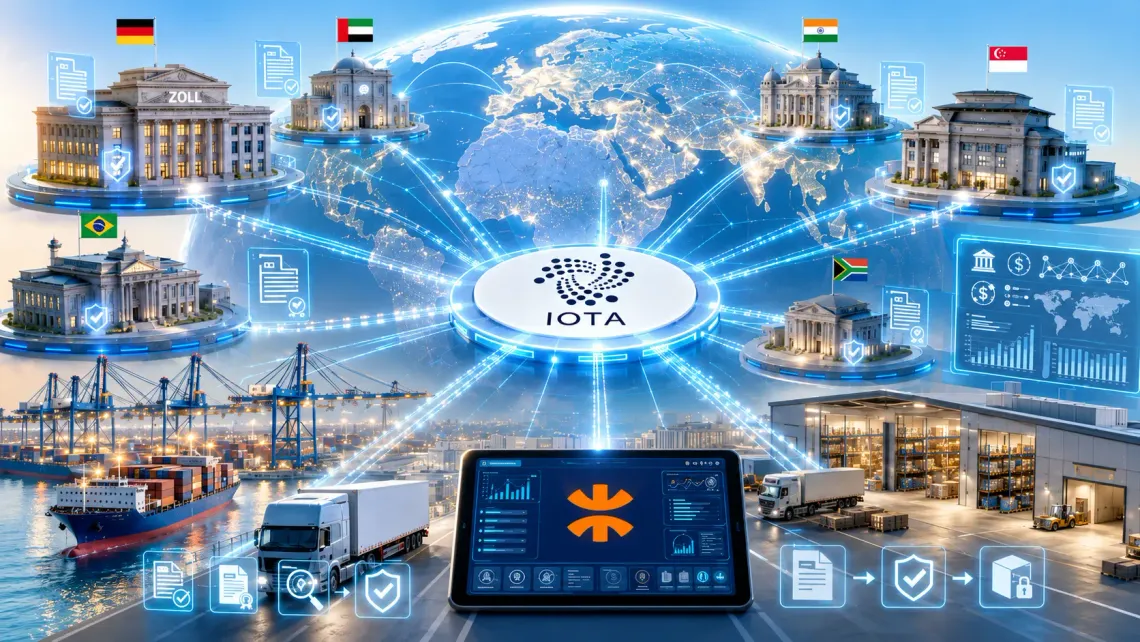
Global trade depends on documents such as certificates of origin, customs declarations, invoices, inspection records, and bills of lading.
Move smart contracts can represent these documents as unique digital objects. Their ownership, permissions, and lifecycle can be controlled through programmable rules.
This could support platforms such as TWIN, where trusted trade information must move between companies, customs authorities, logistics providers, and financial institutions.
Digital Product Passports
A digital product passport can record information about a product’s materials, origin, manufacturing process, repairs, and recycling.
Move allows each passport to exist as an individual onchain object that follows the product throughout its lifecycle.
Identity and Credentials
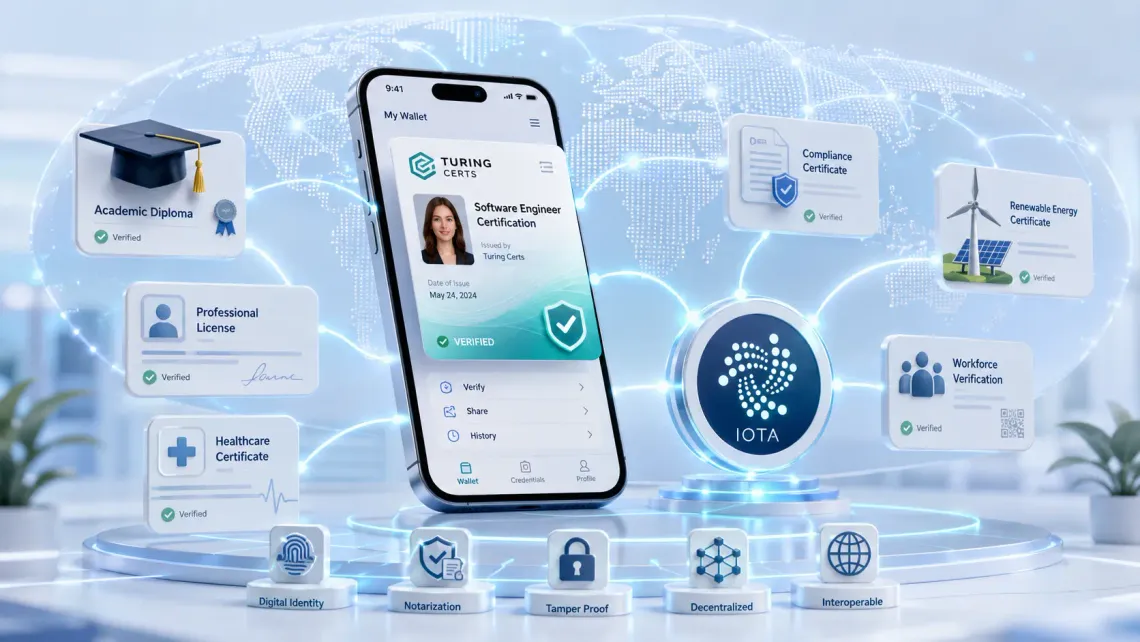
Move can also support decentralized identities and verifiable credentials. A credential could be issued by an authorized organization and presented to another party without allowing the holder to modify its contents.
Tokenized Assets
Real-world assets, financial instruments, and digital rights can be represented through programmable Move objects.
The smart contract can define transfer restrictions, ownership rights, compliance requirements, and interactions with other applications.
The Role of the Move Virtual Machine
Move smart contracts are executed by the IOTA Move Virtual Machine.
The virtual machine provides the environment in which developers code runs. It checks transaction instructions, applies smart contract rules, and updates the state of affected objects.
Validators do not write their consensus logic in Move. Instead, they run the IOTA node software, which processes transactions and executes Move applications through the MoveVM.
This distinction separates application logic from network infrastructure.
Conclusion
Move gives IOTA a specialized programming environment for secure smart contracts and digital assets.
Its resource-oriented and object-based design allows developers to model ownership, permissions, and asset lifecycles more clearly than with many traditional programming approaches.
For IOTA, this is especially important because the network is focused on real-world applications involving trade, digital identities, tokenized assets, supply chains, and regulated infrastructure.
Move defines what digital objects are allowed to do. The validator network then ensures that these rules are executed consistently across the IOTA ledger.