Choosing the Right Wallet for IOTA Rebased
The launch of IOTA Rebased in May 2025 introduced a new network architecture, Move-based smart contracts, staking, and a redesigned wallet environment. As a result, users need wallets built specifically for the current IOTA Mainnet.
A wallet does not physically store IOTA tokens. The tokens remain recorded on the distributed ledger, while the wallet manages the private keys that authorize transactions. Protecting these keys is therefore one of the most important responsibilities for every IOTA holder.
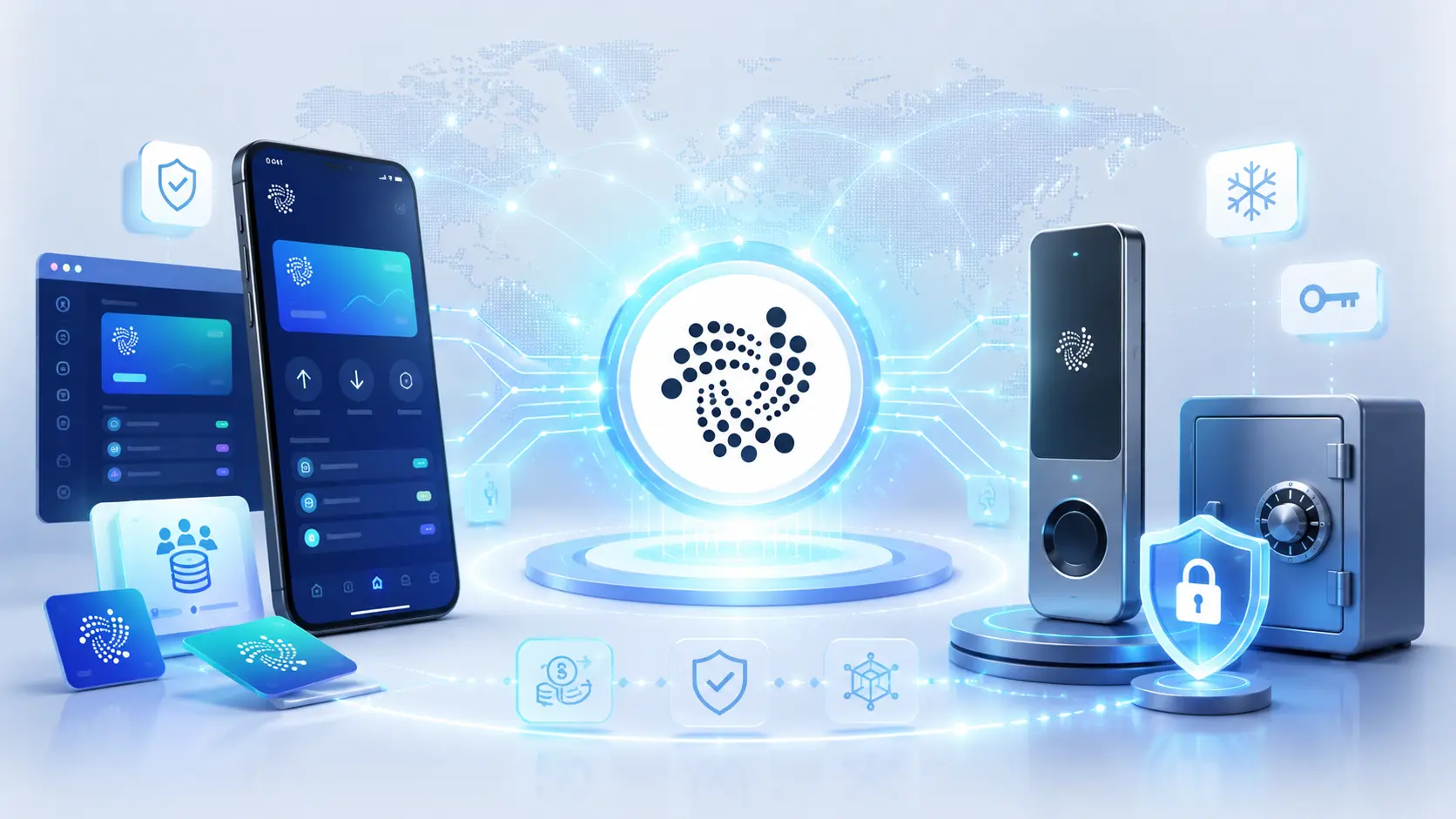
Users can generally choose between two categories: software wallets and hardware wallets. Both can provide access to IOTA Rebased, but they offer different levels of convenience, security, and control.
Software Wallets for IOTA Rebased
Software wallets run as browser extensions, mobile applications, or web-based interfaces. Because they remain connected to an internet-enabled device, they are also commonly described as hot wallets.
The official IOTA ecosystem currently lists the IOTA Wallet, IOTA Wallet Dashboard, Nightly, and Cosmostation among the available wallet solutions.
IOTA Wallet
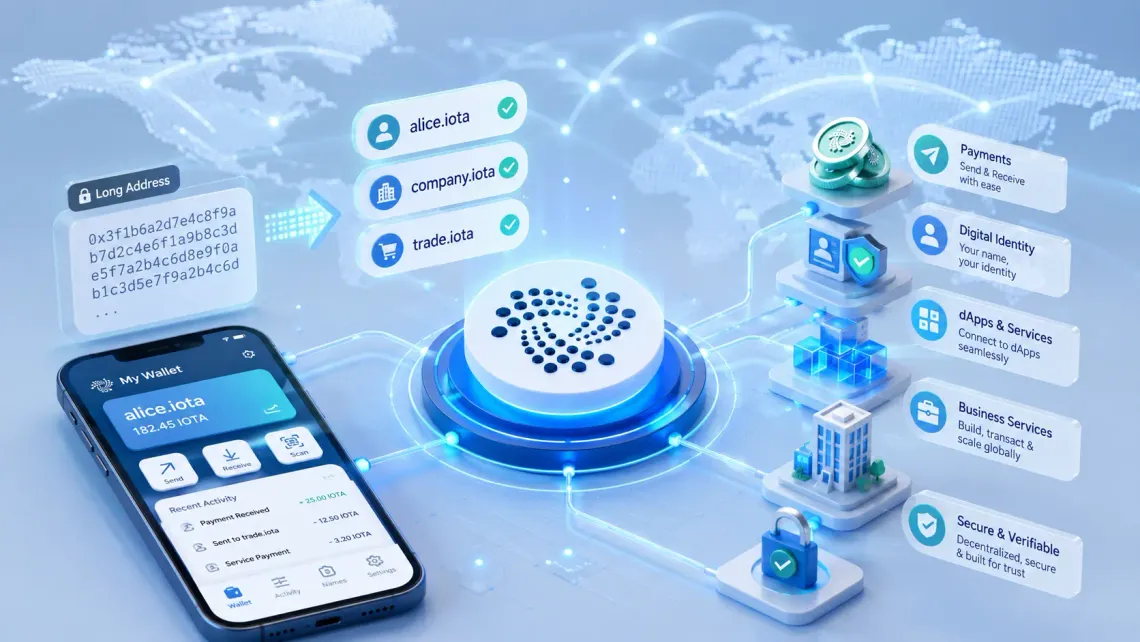
The official IOTA Wallet is the primary software wallet for interacting with the Rebased Mainnet. It allows users to manage IOTA tokens, send and receive transactions, delegate tokens to validators, access decentralized applications, and manage network assets.
As a browser extension, it provides direct access to IOTA-based applications without requiring a separate desktop program.
IOTA Wallet Dashboard
The IOTA Wallet Dashboard is a complementary web interface for managing assets and viewing account information. It can be used for transfers, staking, migrated assets, and additional account-management functions.
The dashboard should not be confused with a completely independent wallet. It works as an interface through which users can connect and manage compatible IOTA accounts.
Third-Party Software Wallets
IOTA Rebased is also supported by third-party multi-chain wallets such as Nightly and Cosmostation.
These wallets may be useful for people who interact with several blockchain ecosystems or prefer mobile access. Their available features can differ, so users should verify whether a wallet currently supports staking, Move-based assets, decentralized applications, and the specific IOTA network functions they need.
Advantages and Risks of Software Wallets
Software wallets are generally the most convenient option for everyday activity. They are suitable for:
- Sending and receiving IOTA
- Delegating tokens to validators
- Connecting to decentralized applications
- Managing digital assets
- Making frequent transactions
However, the private keys are accessed through an internet-connected computer or mobile device. Malware, malicious browser extensions, phishing websites, and compromised devices can therefore create additional risks.
Users should install wallets only through official sources, check website addresses carefully, protect devices with strong authentication, and never disclose recovery phrases or private keys.
Hardware Wallets for IOTA Rebased
Hardware wallets store private keys in a dedicated device that remains separated from the ordinary software environment. Transactions are prepared through a compatible wallet interface but must be approved using the hardware wallet.
The IOTA ecosystem currently identifies Ledger and Keystone as compatible hardware-wallet providers. A compatible IOTA application or connection method is still required to interact with the Rebased Mainnet.
Hardware wallets are often described as cold-storage solutions because the private keys do not need to leave the protected device during normal use.
Why Use a Hardware Wallet?
Hardware wallets are particularly relevant for long-term holders and users managing larger balances. Their main advantage is the separation between private keys and the internet-connected computer.
Even if the computer used to prepare a transaction is compromised, the attacker should not automatically gain access to the private key. The transaction details still need to be reviewed and authorized through the hardware device.
Hardware wallets can also be combined with compatible IOTA software interfaces. The software displays balances and prepares transactions, while the hardware wallet protects the keys and signs the transaction.
This separation offers stronger protection, but it does not eliminate every risk. Users must still verify recipient addresses, protect recovery phrases, install genuine software, and avoid approving unknown transactions.
Software Wallet or Hardware Wallet?
The right choice depends on how the user intends to interact with IOTA.
A software wallet offers easier access for staking, dApps, regular payments, and active ecosystem participation. A hardware wallet provides stronger isolation for private keys and may be more suitable for long-term storage.
Many users combine both approaches. They keep a limited amount in a software wallet for regular activity while protecting their main holdings through a hardware wallet.
The most important principle is that users should understand where their private keys are stored and how access can be recovered.
Essential Wallet Security
Regardless of the wallet category, users should follow several basic security principles:
- Download wallets only from verified official sources.
- Store recovery phrases offline and never photograph them.
- Never share private keys or recovery phrases.
- Confirm the network and recipient address before sending.
- Test unfamiliar transfers with a small amount first.
- Keep wallet software, browsers, and operating systems updated.
- Review hardware-wallet transaction details before approval.
No wallet can protect a user who willingly provides a recovery phrase to an attacker.
Conclusion
IOTA Rebased is supported by both software and hardware wallet solutions. Software wallets provide convenient access to transfers, staking, assets, and decentralized applications. Hardware wallets strengthen security by keeping private keys isolated from the everyday online environment.
For active ecosystem use, the official IOTA Wallet and compatible third-party software wallets provide practical access to the network. For long-term storage, a compatible hardware wallet can add an important security layer.
The best wallet is not determined only by features. It is the wallet whose security model the user understands and can operate responsibly.