Why Blockchain Addresses Remain a Usability Problem
Blockchain networks allow users to transfer digital assets and interact with decentralized applications without relying on a traditional intermediary. However, the experience is often less intuitive than ordinary online banking or modern web services.
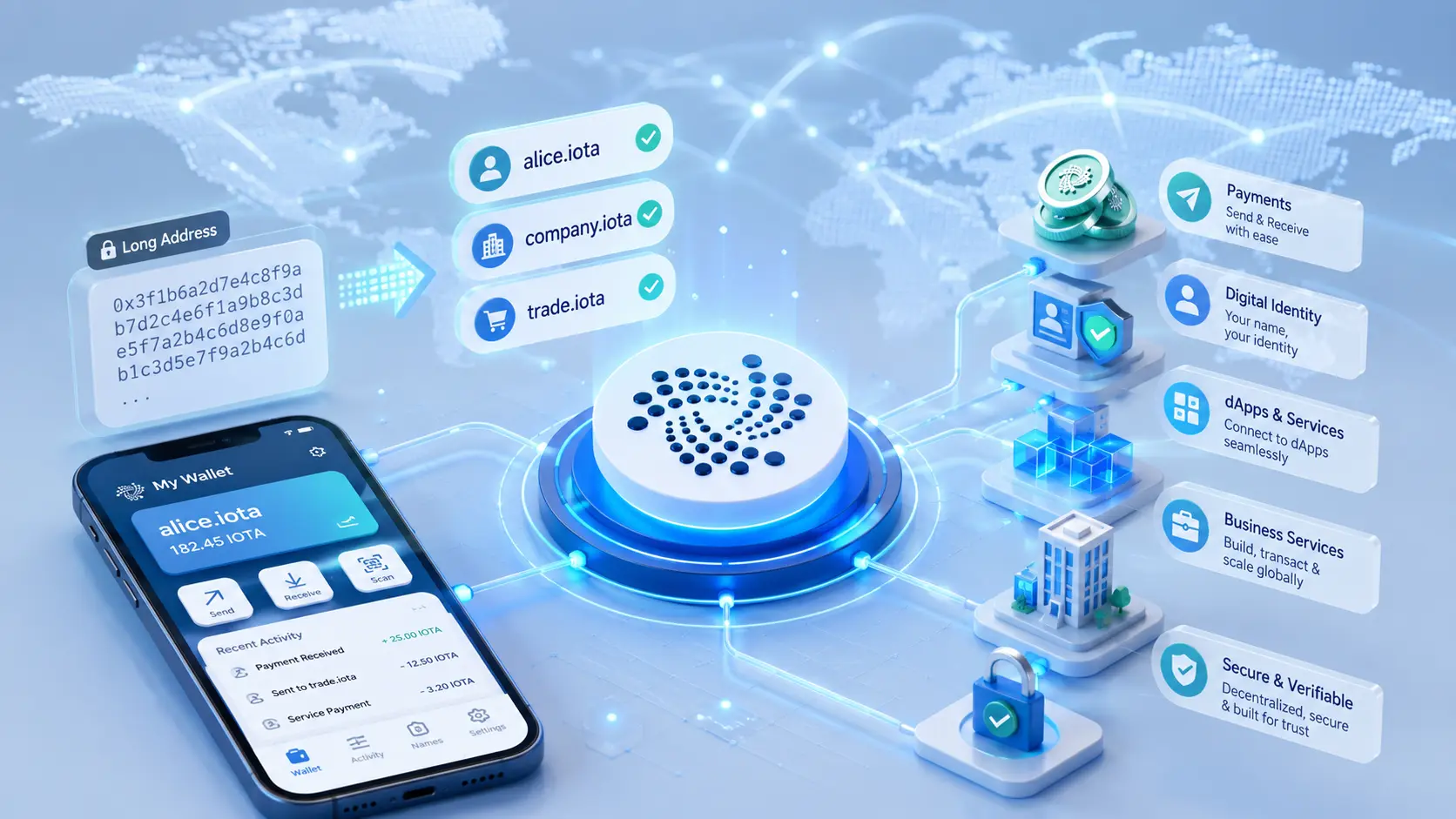
A typical blockchain address consists of a long sequence of letters and numbers. These addresses are difficult to remember, inconvenient to share, and easy to enter incorrectly. Even experienced users usually copy and paste them instead of typing them manually.
This creates a serious usability and security problem. Sending assets to the wrong address may result in an irreversible loss. Malicious software can also replace copied addresses, while users may fail to notice that the destination has changed.
IOTA Names is designed to make these interactions easier by connecting long blockchain addresses to short, human-readable names.
What Is IOTA Names?
IOTA Names is a decentralized naming service built for the IOTA network. It allows users to register identifiers such as:
alice.iota
Instead of sharing a long hexadecimal address, a user can provide a readable name that points to the relevant IOTA account.
The service was introduced on the IOTA Testnet in 2025 before launching on the IOTA Mainnet in early 2026. Registered names can also be renewed directly, helping owners maintain control over their chosen identifiers.
The concept is similar to the Domain Name System used by the internet. People enter a website name because it is easier to remember than the numerical address of the server behind it. IOTA Names applies a comparable idea to blockchain accounts and digital identities.
How IOTA Names Improves Payments
Fewer Address Errors
One of the most immediate benefits is easier token transfers.
Instead of checking a long sequence of characters, a sender can use a recognizable identifier. This may reduce mistakes and make IOTA transactions more accessible to people who are unfamiliar with blockchain technology.
A readable name is also easier to display on invoices, websites, profiles, and payment requests.
A Better User Experience
Mainstream users expect digital services to be simple. They do not want to manage complicated technical identifiers whenever they send a payment or connect to an application.
Readable names help hide unnecessary complexity. The underlying blockchain address still exists, but the user interacts with a more convenient label.
This is an important step toward making decentralized applications feel more like familiar online platforms.
More Than a Payment Address
IOTA Names may become useful for much more than receiving tokens.
Digital Identity
A readable name can form part of a user's onchain identity. Individuals, businesses, organizations, and applications could use recognizable identifiers instead of anonymous address strings.
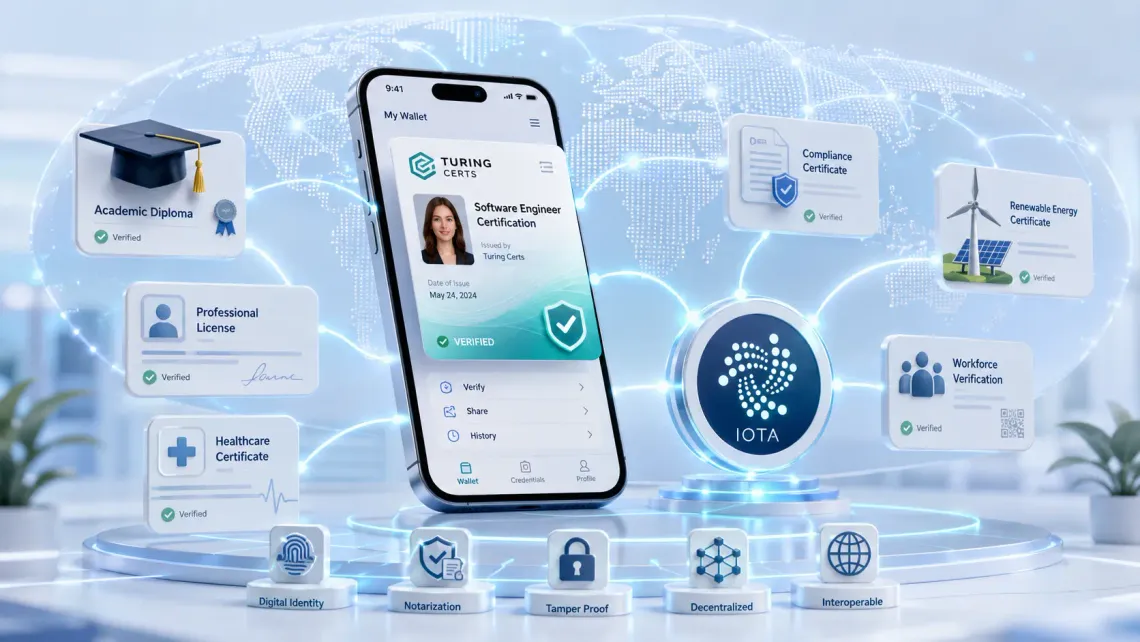
Combined with IOTA Identity and verifiable credentials, a name could potentially help connect an account with trusted information about the person or organization controlling it.
However, a readable name alone does not prove that an account belongs to a particular company or individual. Applications still need verification mechanisms to prevent impersonation.
Decentralized Applications
Developers can use names to make decentralized applications easier to navigate. A profile, marketplace account, digital asset collection, or service could be identified through a readable .iota name.
This may improve discoverability and reduce the friction involved in interacting with smart contracts and Move-based applications.
Businesses and Global Trade
Readable identifiers may also become relevant for enterprise use.
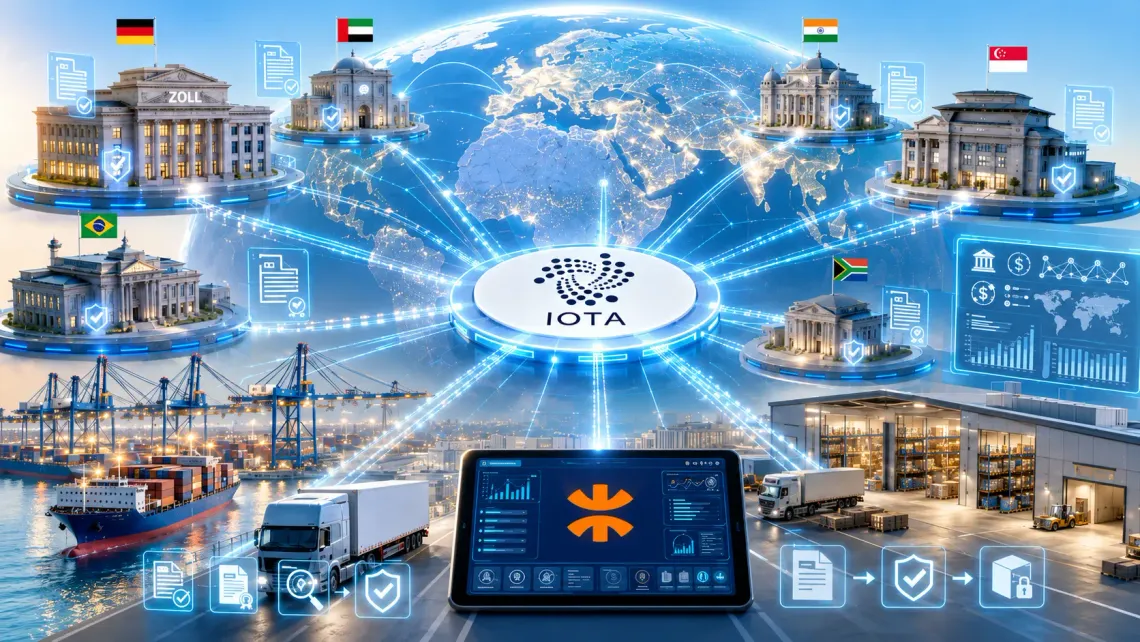
A company participating in digital trade could use a recognizable IOTA name for its account, services, or onchain assets. Customs authorities, logistics providers, exporters, and financial institutions could interact with names that are easier to identify than technical wallet addresses.
In platforms such as TWIN, readable identifiers could potentially improve the usability of systems that connect many organizations across different countries.
Ownership and Renewals
IOTA Names are registered on the IOTA network rather than stored only in a conventional centralized account database.
The name owner controls the associated onchain object and can renew the registration to keep the identifier active. This creates a form of digital ownership that is managed through the blockchain.
Users should nevertheless protect the wallet controlling the name. If access to the wallet is lost or compromised, control of the registered name may also be affected.
Renewal dates should also be monitored so that valuable names do not expire unintentionally.
Security and Impersonation Risks
Human-readable names improve usability, but they do not remove every security risk.
Attackers may register names that resemble trusted brands or use alternative spellings to mislead users. A short name may also create a false sense of certainty if the sender does not confirm who owns it.
Wallets and applications should therefore display additional verification information where appropriate. Businesses may need to connect their names with decentralized identities, verified credentials, official websites, or trusted directories.
Users should still confirm the destination before approving important transactions.
A Foundation for People, Companies, and Machines
The long-term potential of IOTA Names extends beyond individual wallets.
Companies may use names for business accounts. Applications may use them for services and smart contracts. Machines and connected devices could also use readable identifiers when participating in automated economic processes.
A logistics system could identify a service, vehicle, warehouse, or digital agent through a recognizable name rather than a raw address.
This remains a developing use case, but it fits IOTA's wider focus on real-world digital infrastructure and machine-readable trust.
Conclusion
IOTA Names addresses one of blockchain’s most persistent usability problems: complex and error-prone addresses.
By allowing users to register readable identifiers such as name.iota, the service can make payments, digital identities, decentralized applications, and business interactions easier to understand.
The technology does not replace secure wallet management or identity verification. It provides a more usable layer above the underlying blockchain address.
For IOTA, this is more than a cosmetic feature. Human-readable names can help transform a technically powerful network into infrastructure that ordinary users, businesses, and institutions can interact with more confidently.