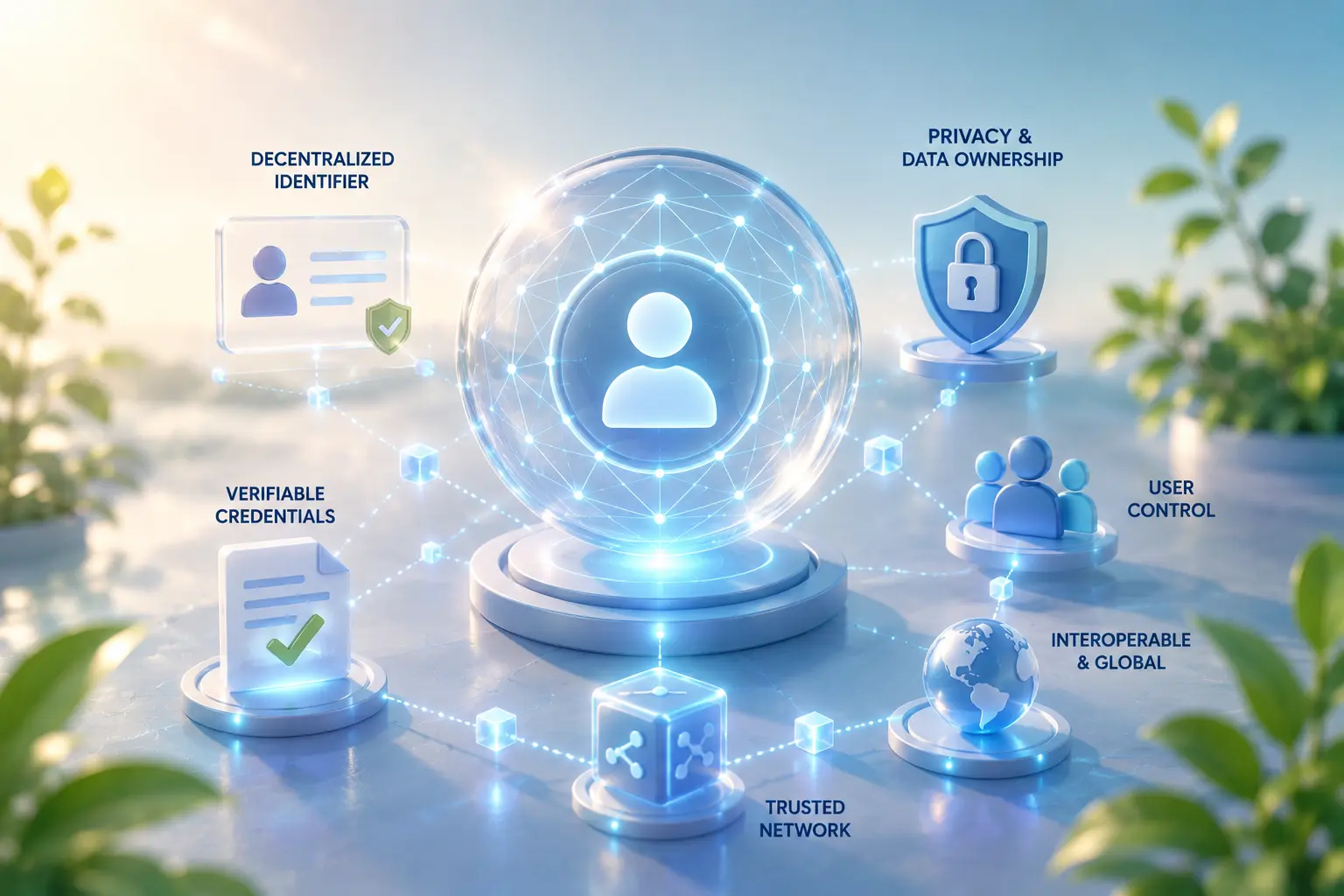
DID stands for Decentralized Identifier. It is a digital identity standard designed to give people, organizations, devices, documents, and digital systems a way to identify themselves without relying entirely on centralized identity providers. In a world where digital trust is becoming essential, DIDs are one of the key technologies behind decentralized identity.
Traditional digital identity usually depends on centralized platforms. A company, government database, social media platform, or identity provider controls the account or identifier. This can be useful, but it also creates risks. Users may lose access, data may be stored in large centralized databases, and different systems often cannot easily verify information across borders or platforms.
DIDs work differently. The W3C defines decentralized identifiers as a type of identifier that enables verifiable, decentralized digital identity. A DID can refer to a person, organization, thing, data model, or other subject, and it is designed to be decoupled from centralized registries, identity providers, and certificate authorities.
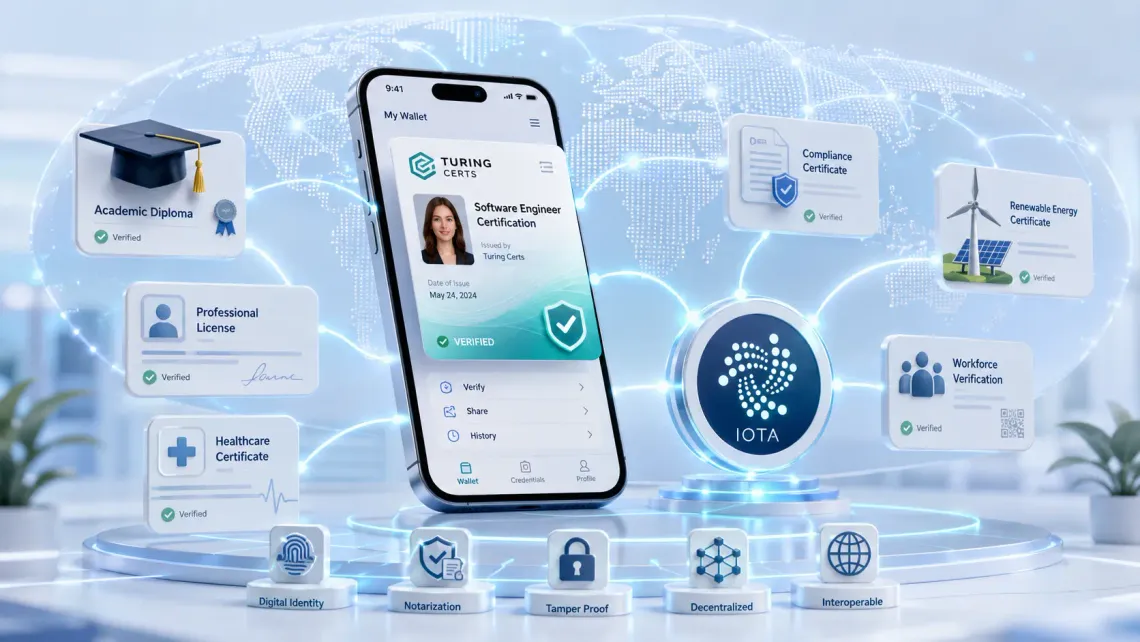
DIDs are often used together with verifiable credentials. A verifiable credential is a digital statement that can be cryptographically checked. For example, a company could prove that it is registered, a product could prove its origin, a shipment could prove compliance, or a person could prove a qualification. The W3C Verifiable Credentials 2.0 standard was published in 2025 and provides a mechanism for expressing credentials in a secure, privacy-respecting, and machine-verifiable way.
For global trade, DIDs are extremely important. Trade requires trust between parties that may not know each other. Customs agencies, exporters, importers, logistics providers, banks, and certification bodies all need to verify data. DIDs can help create digital trust without forcing everyone to depend on the same centralized platform.
DIDs are also relevant for Web3, IoT, DeFi, RWA, and enterprise systems. A machine can have a decentralized identity. A tokenized asset can be linked to verifiable documents. A company can prove compliance. A supply chain participant can share only the information required, instead of exposing unnecessary data.
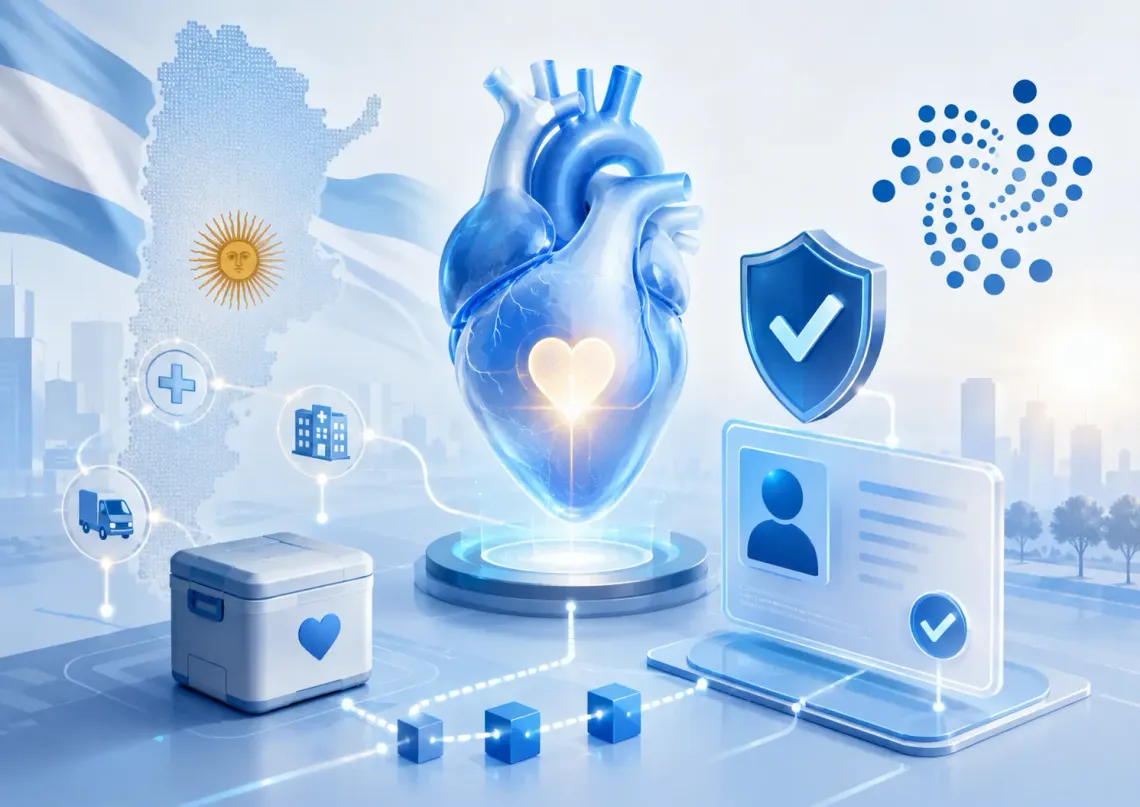
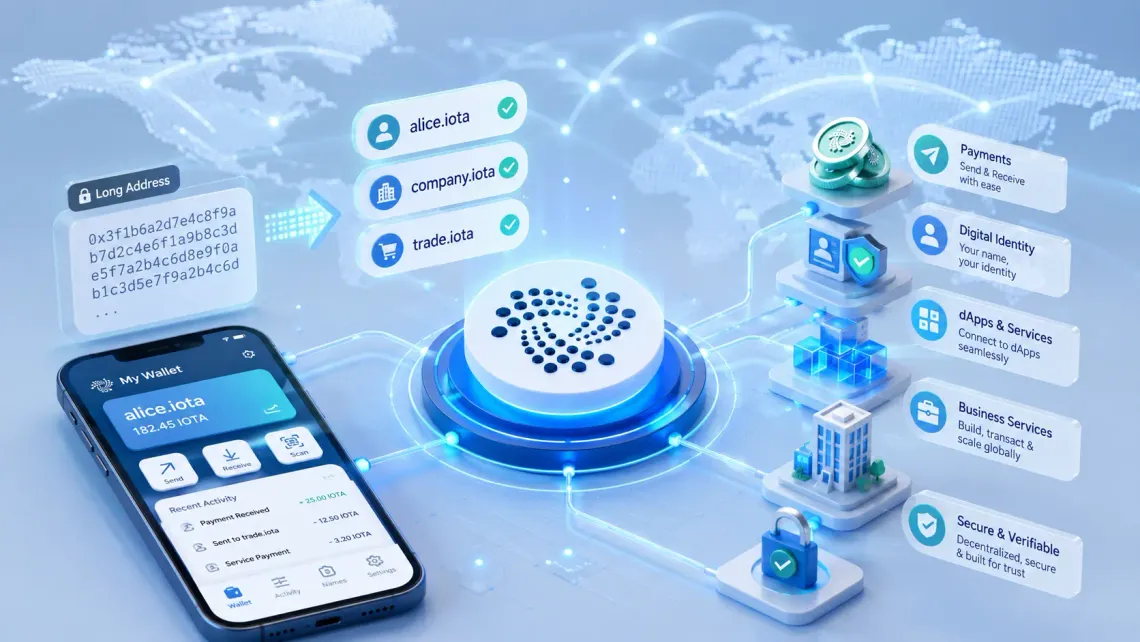
For the IOTA ecosystem, decentralized identity is closely connected to real-world infrastructure. IOTA-related projects in trade, supply chains, and public digital infrastructure depend on trusted identity and verifiable data. Without reliable identity, digital trade systems cannot reach their full potential.
This tag covers Decentralized Identifiers, DIDs, verifiable credentials, digital identity, privacy, compliance, Web3 trust, IOTA identity infrastructure, trade verification, and machine-to-machine identity. DID technology is one of the foundations for a more trusted digital economy.