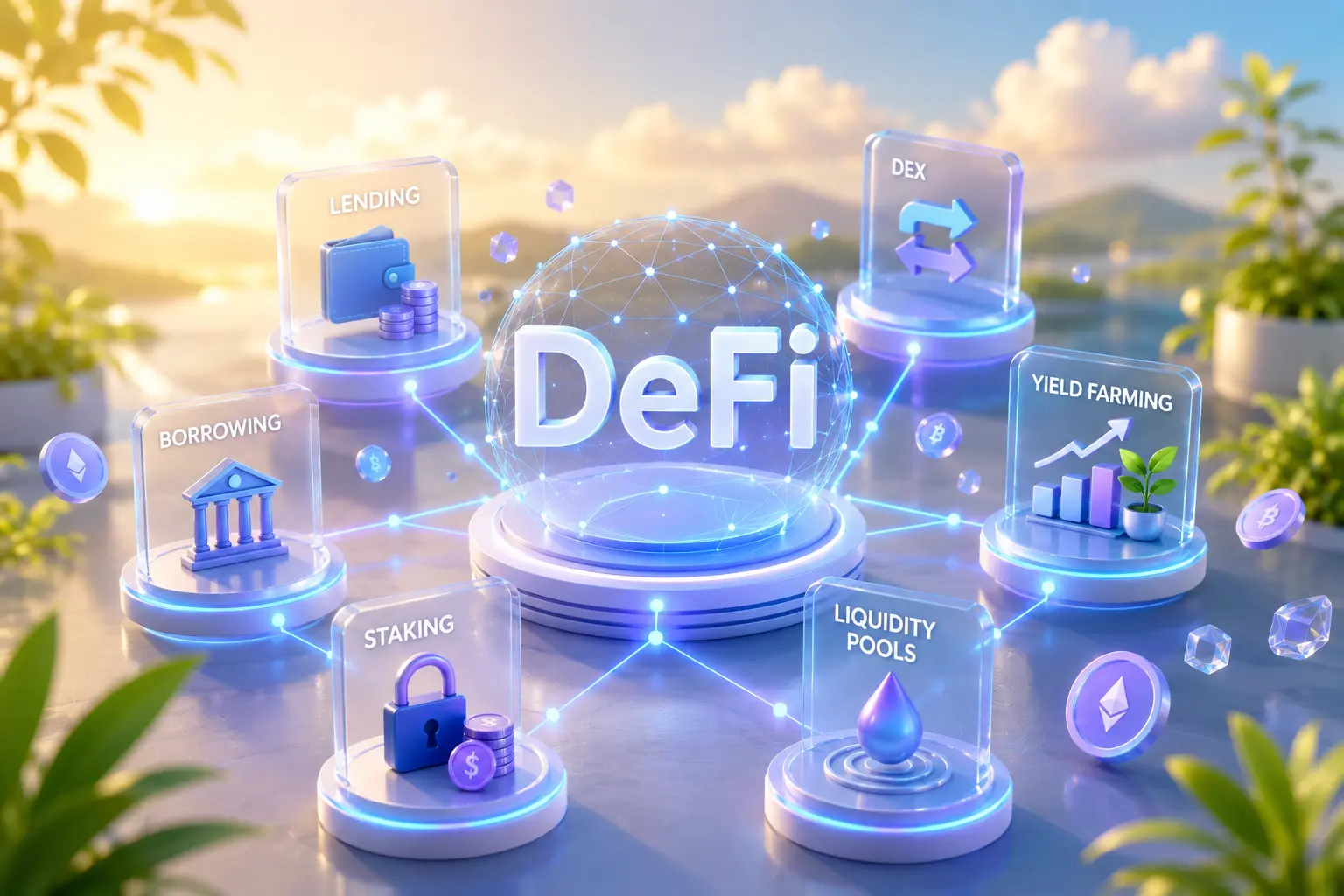
DeFi, short for Decentralized Finance, describes financial applications built on open blockchain or distributed ledger infrastructure. Instead of relying only on banks, brokers, centralized exchanges, or traditional intermediaries, DeFi uses smart contracts and decentralized protocols to create financial services that can operate globally and programmatically.
The most common DeFi use cases include decentralized exchanges, lending protocols, liquidity pools, stablecoins, yield markets, derivatives, and on-chain asset management. These systems allow users to trade, borrow, lend, provide liquidity, and interact with financial markets through digital wallets and smart contracts.
DeFi became popular because it offers open access. In traditional finance, users often need accounts, intermediaries, approvals, and local banking access. DeFi lowers some of these barriers by allowing anyone with a compatible wallet and internet connection to interact with financial protocols. This does not mean DeFi is risk-free. Smart contract bugs, liquidity risk, governance attacks, market volatility, and regulatory uncertainty remain major challenges.
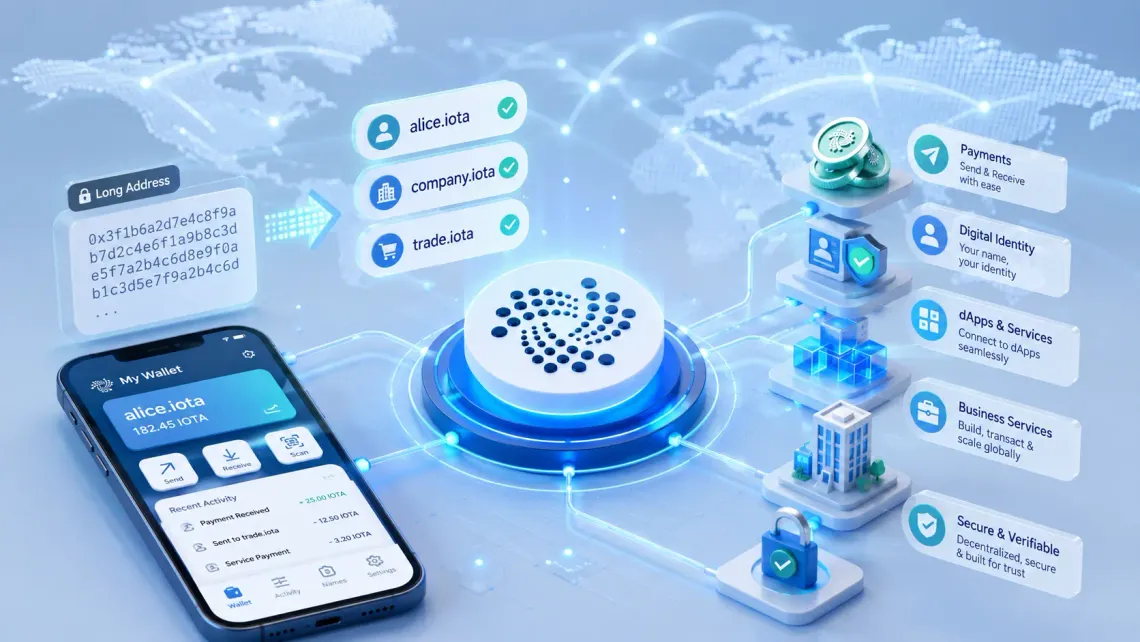
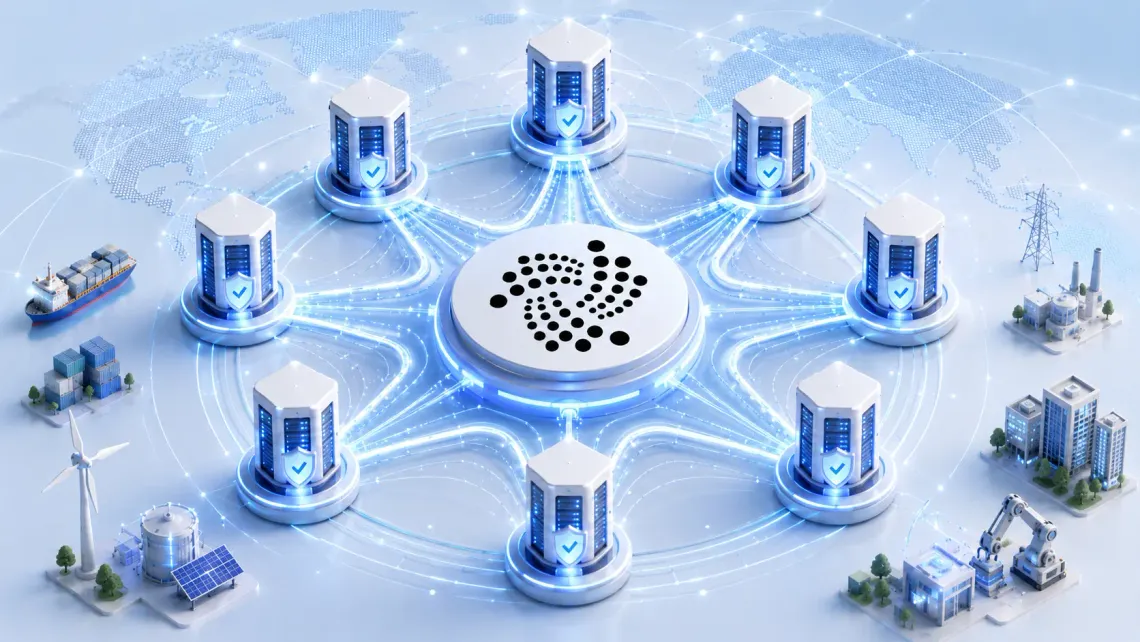
For the IOTA ecosystem, DeFi is important because digital assets need financial infrastructure. If real-world assets, trade invoices, supply chain assets, or digital credentials move on-chain, they may eventually need liquidity, lending, collateralization, settlement, and risk management. DeFi can provide some of the financial rails for these use cases.
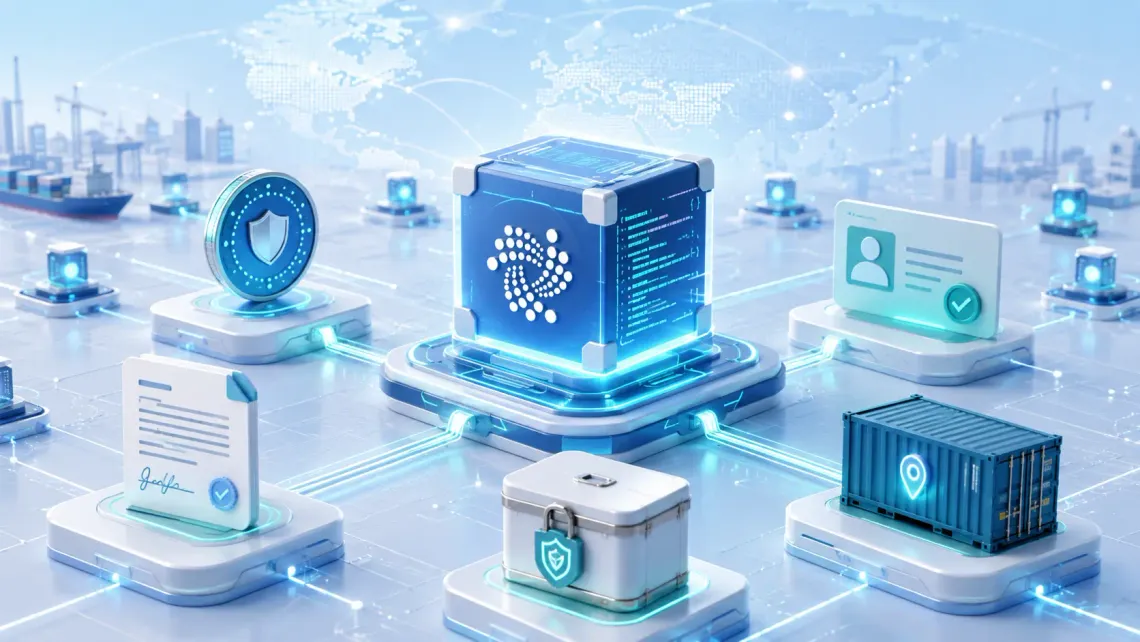
DeFi is also closely connected to RWA tokenization. Tokenized real estate, commodities, bonds, invoices, carbon credits, or supply chain assets become more useful when they can interact with financial protocols. For example, a tokenized invoice could potentially be used in trade finance, a tokenized commodity could be used as collateral, or a real-world asset could be made more liquid through fractional ownership.
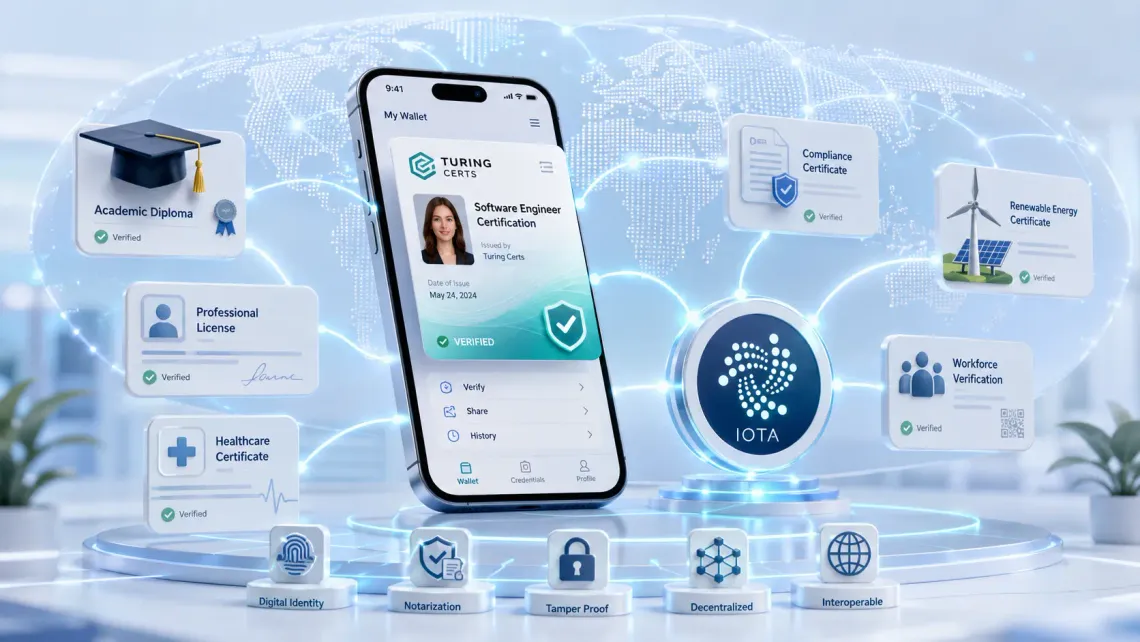
However, DeFi must mature to support institutional and real-world adoption. This means better identity layers, compliance tools, audit standards, risk controls, and integration with legal frameworks. This is where decentralized identity and verifiable credentials become important. A future DeFi system may need to verify not only wallets and assets, but also issuers, jurisdictions, compliance status, and asset provenance.
DeFi should not be understood only as speculation. Its deeper potential is programmable finance. Financial logic can be built directly into digital infrastructure. Payments, collateral, settlement, liquidity, and ownership can become more automated, transparent, and interoperable.
This tag covers DeFi protocols, decentralized exchanges, liquidity, lending, smart contracts, tokenized assets, IOTA DeFi, Web3 finance, real-world assets, and programmable financial infrastructure. DeFi is one of the most important bridges between digital networks and the future of open financial markets.