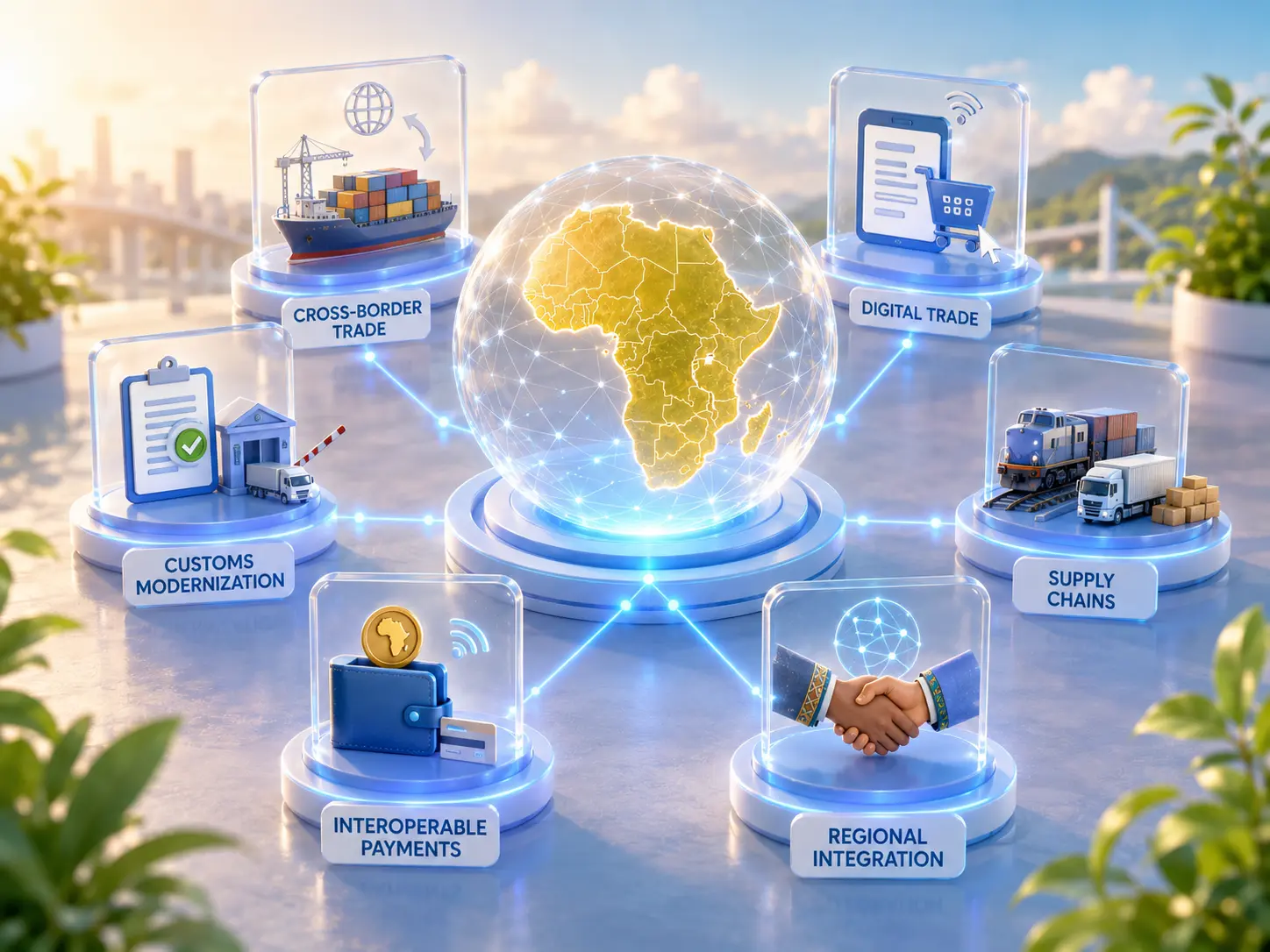
The African Continental Free Trade Area, known as AfCFTA, is one of the most important economic projects of the 21st century. It aims to connect African markets, reduce trade barriers, strengthen regional supply chains, and create a more integrated continental economy. For businesses, governments, investors, and technology builders, AfCFTA is not only about tariffs and borders. It is about building the foundation for a more connected African trade system.
At its core, AfCFTA is designed to make it easier for African countries to trade with each other. Historically, many African economies have been more connected to external markets than to neighboring countries. This has created fragmented supply chains, duplicated bureaucracy, and high costs for cross-border trade. AfCFTA addresses this by promoting trade liberalization, regulatory cooperation, and regional value chains across the continent.
The digital side of AfCFTA is especially important. The AfCFTA Protocol on Digital Trade was adopted in February 2024, and its annexes cover areas such as digital identities, cross-border payments, cross-border data transfers, online safety, financial technology, and emerging technologies. This makes AfCFTA a key framework for Africa's digital economy, not just traditional trade.
For the IOTA ecosystem, AfCFTA is highly relevant because modern trade needs trusted data. Certificates, customs records, product origin documents, shipping information, and compliance data all need to move securely between different organizations. Distributed ledger technology, digital identity, and verifiable credentials can help create more transparent and efficient trade processes.
Projects connected to AfCFTA, such as ADAPT, TLIP, and TWIN, show how digital public infrastructure can support real-world trade. Instead of relying only on paper documents and isolated databases, trade systems can use interoperable digital rails. This can reduce fraud, speed up border processes, improve supply chain transparency, and help small and medium-sized businesses access wider markets.
AfCFTA is also important for global trade partners. As Africa builds stronger internal markets, it becomes more attractive for international cooperation in manufacturing, logistics, agriculture, energy, digital services, and technology. Partnerships with regions such as Europe, Asia, and the Middle East may increasingly depend on reliable digital trade infrastructure.
This tag follows the development of AfCFTA as a trade, technology, and infrastructure story. It covers digital trade protocols, African supply chains, customs modernization, blockchain use cases, IOTA-related infrastructure, digital identity, cross-border payments, and the future of intra-African commerce. AfCFTA is not just a trade agreement. It is a platform for Africa's next phase of economic integration.